

Many ocean lovers ask, are blue whales endangered, and the answer carries weight for anyone who values marine life. Blue whales are still listed as endangered under the Endangered Species Act. As a locally owned Hawaiian eco-rafting company operating in Lahaina and Kaanapali, we believe that education about whale conservation deepens respect for every species that travels through Maui waters.
Are Blue Whales Endangered Under Current Protection Laws?
Blue whales experienced dramatic population declines during the commercial whaling era. The International Whaling Commission banned commercial whaling in 1986, yet recovery has moved at a gradual pace. According to the National Oceanic and Atmospheric Administration, blue whales continue to face threats from ship strikes, underwater noise, and climate change.
Population estimates remain significantly lower than historical levels. NOAA Fisheries maintains their endangered classification because these pressures continue. Federal law prohibits harassment and requires vessels to keep safe distances from all protected whale species.
Blue whales rarely enter Maui’s shallow winter breeding areas, but conservation regulations apply throughout Hawaiian waters. Responsible tourism reinforces these protections and strengthens respect for marine wildlife. The ongoing question, are blue whales endangered, reflects the reality that safeguards remain essential today.
Understanding Why Blue Whales Remain Vulnerable
Blue whales are the largest animals on Earth, yet their survival depends largely on krill. Climate shifts and changing ocean temperatures affect krill distribution and availability. Feeding success declines when prey patterns shift.
At the same time, heavy shipping traffic increases the risk of vessel collisions in busy marine corridors. Ocean noise from commercial and industrial activity can also disrupt communication.
Blue whales rely on low-frequency calls that travel long distances underwater. Human-generated sound can interfere with those signals. Learning about these pressures helps visitors understand why endangered status remains necessary today.
How Whale Watching Supports Awareness And Conservation
Education shapes conservation outcomes in meaningful ways. Direct experience on the water often creates a stronger connection to marine protection. Our marine naturalists discuss migration routes, federal regulations, and the history of commercial whaling during every tour. Guests leave with a broader understanding of endangered species management and ocean stewardship.
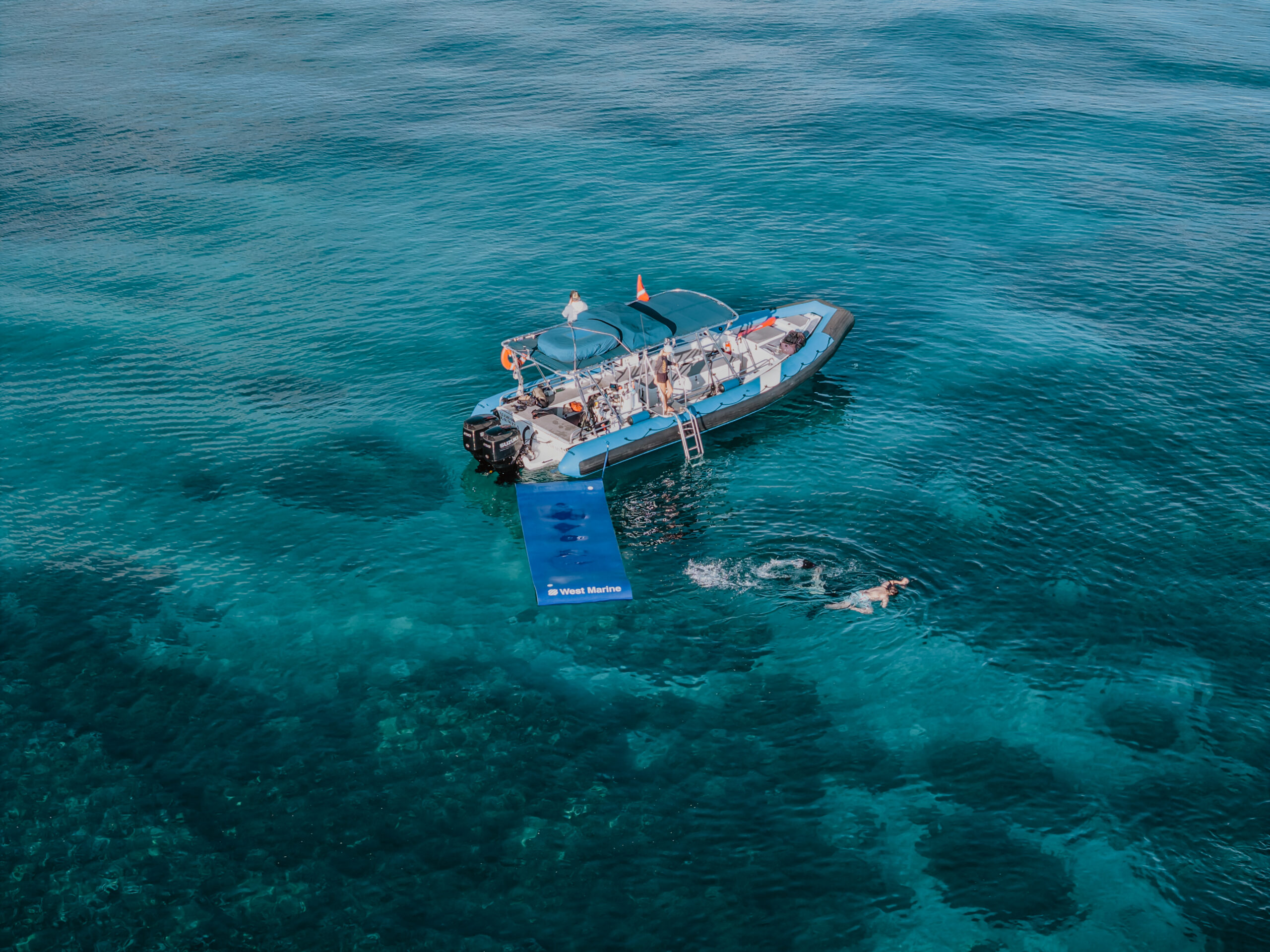
Small-group eco-rafting tours create space for thoughtful discussion. Our vessels usually host 18 guests or fewer, though one of our newest boats can accommodate up to 20 passengers.
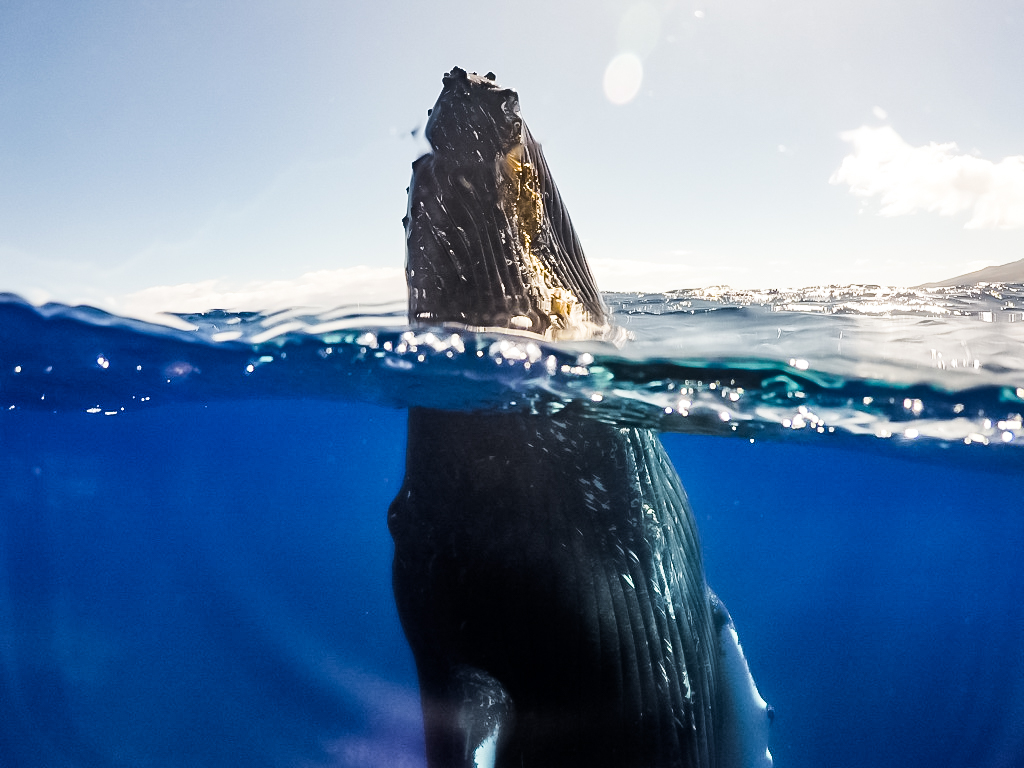
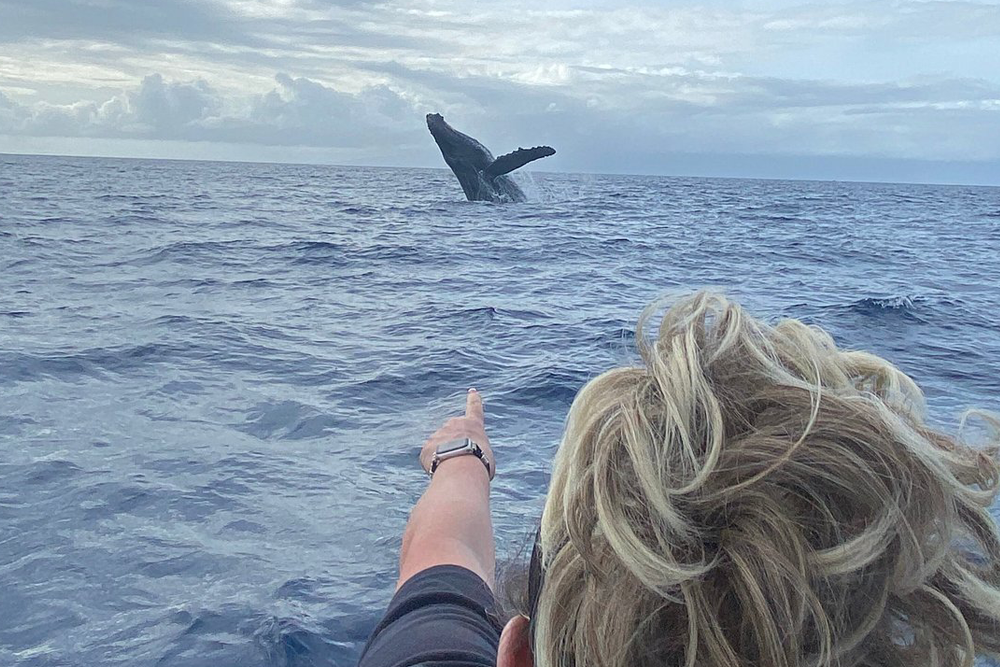
From December through April, we focus on humpback whale watching in Lahaina and Kaanapali. Although blue whales do not typically gather in Maui’s winter nursery areas, the conservation principles we share apply to all whale species.
The Role Of Local Hawaiian Businesses In Whale Protection
Operating as a Hawaiian-owned eco-rafting company allows us to keep conservation at the center of our mission. We work alongside our crew daily and emphasize respectful wildlife viewing.
Smaller vessels create less wake and allow careful maneuvering around marine life. Federal regulations require safe distances from humpbacks and other protected whales, and we follow those guidelines closely. Captains observe animal behavior carefully and adjust positioning when conditions change.
Pregnant persons may not board our rafts for safety reasons. Clear communication about policies builds confidence and promotes a secure environment for all guests. When visitors choose locally owned companies, more revenue remains within the Lahaina community. This strengthens economic stability while reinforcing environmental responsibility.
Blue Whales And Maui’s Marine Ecosystem
Blue whales prefer deep offshore feeding grounds, while Maui’s winter waters primarily attract humpback whales for breeding and calving. Ocean health, however, connects every species.
Climate patterns, prey availability, and global shipping activity influence blue whale survival worldwide. Protecting marine ecosystems in Hawaii contributes to broader conservation goals across the Pacific. The continued discussion around are blue whales endangered highlights the global nature of marine protection.
Education strengthens that connection. Guests who understand endangered species status often support protective policies long after returning home. You can experience marine education firsthand through our Maui Whale Watch Eco-Rafting Tours.
Join Us In Supporting Whale Conservation In Maui
Understanding endangered species status builds awareness. Experiencing whales responsibly strengthens that awareness even further.
If you plan to visit Lahaina or Kaanapali during whale season, contact us for a small-group eco-rafting tour. Our marine naturalists connect Maui’s humpbacks to global whale conservation in a way that feels personal and informative.