

hales play a measurable role in ocean health, climate balance, and marine food systems, including the waters surrounding Maui and Kaanapali.
How Do Whales Help The Environment Through Nutrient Cycling
Scientists describe this process as the “whale pump.” When whales feed at deeper levels and release waste closer to the surface, they transport vital nutrients upward through the water column.
These nutrients stimulate phytoplankton growth. Phytoplankton form the base of the marine food web and absorb substantial amounts of carbon dioxide. Strong plankton populations sustain fish stocks and contribute to climate regulation. This natural cycle shows “How do whales help the environment?” in ways that influence the entire ocean system.
How Do Whales Help The Environment By Storing Carbon
Whales also affect the climate through long-term carbon storage. Throughout their lives, they accumulate significant amounts of carbon in their bodies. When a whale dies and sinks to the ocean floor, that carbon remains trapped in the deep sea. This process is known as “whale fall.”
Each whale represents stored carbon within the global ecosystem. That reality underscores the worldwide importance of conservation. Protecting whale populations strengthens marine ecosystems and contributes to climate stability.
Whales Support Marine Biodiversity In Maui
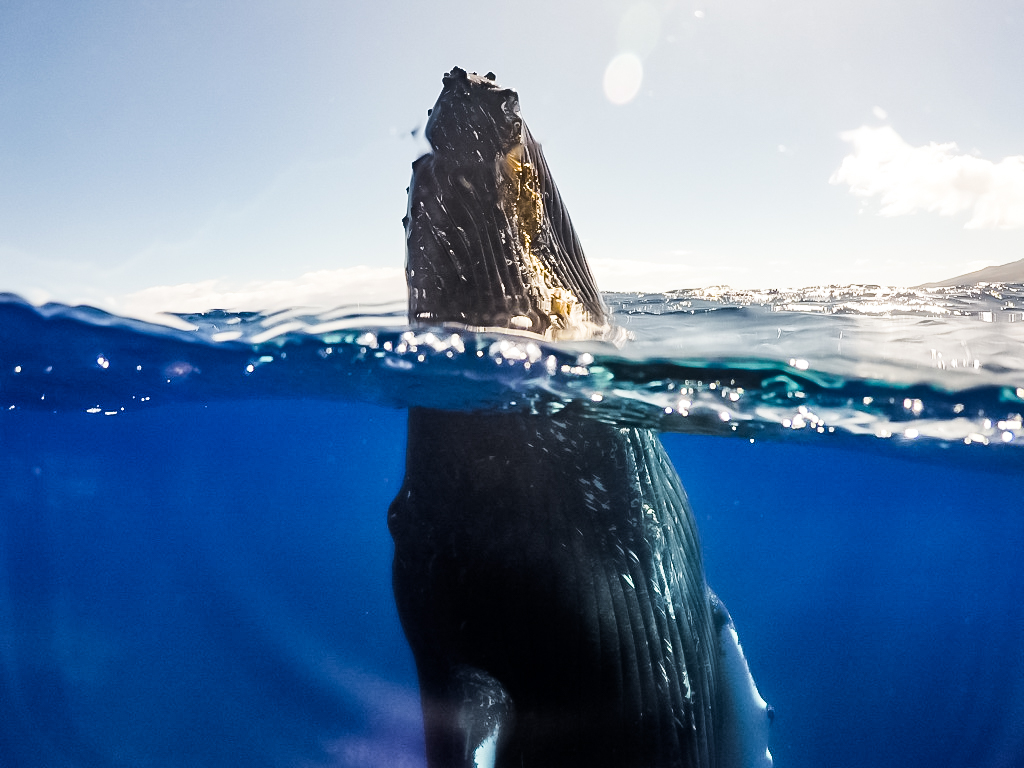
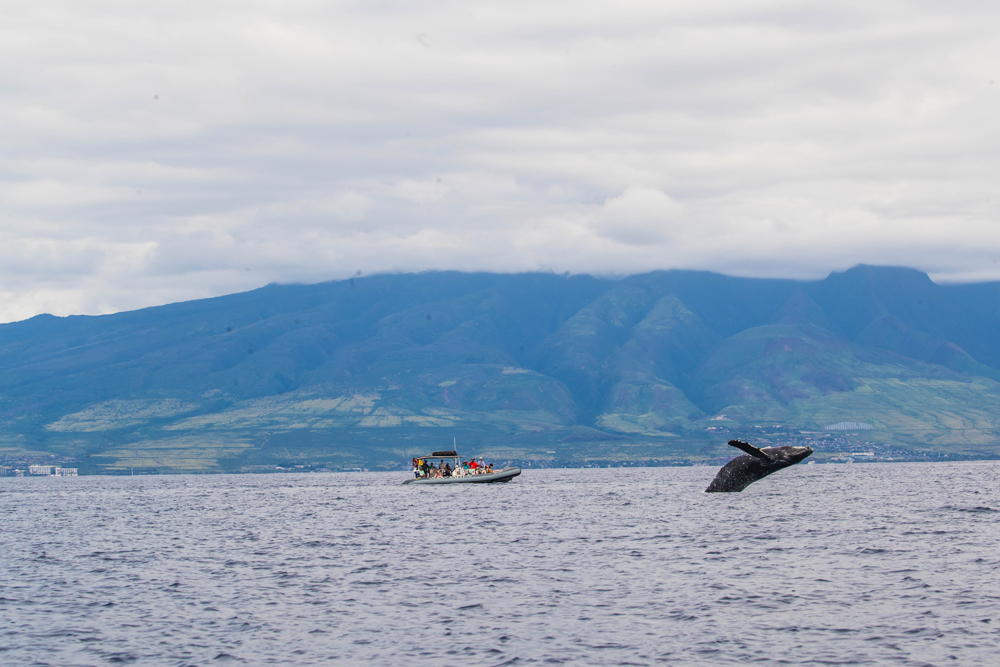
Humpback whales migrate to Maui to breed and give birth in the shallow channels between Maui, Lanai, and Molokai. The Hawaiian Islands Humpback Whale National Marine Sanctuary protects these animals while they occupy these nursery waters.
Their presence influences the wider marine ecosystem. Nutrient movement supports plankton growth, which feeds small fish. Those fish, in turn, sustain larger predators, creating a balanced food web.
Guests who join us from Lahaina and Kaanapali witness this interconnected system firsthand. Our marine naturalists explain migration patterns and breeding behavior throughout each tour. Education transforms a single sighting into a deeper understanding of ocean life.
How Do Whales Help The Environment Through Ecotourism Awareness
From December through April, whale watching remains our primary focus. We begin marketing in October while staying aligned with migration timing. This approach respects marine life cycles and maintains accurate seasonal messaging.
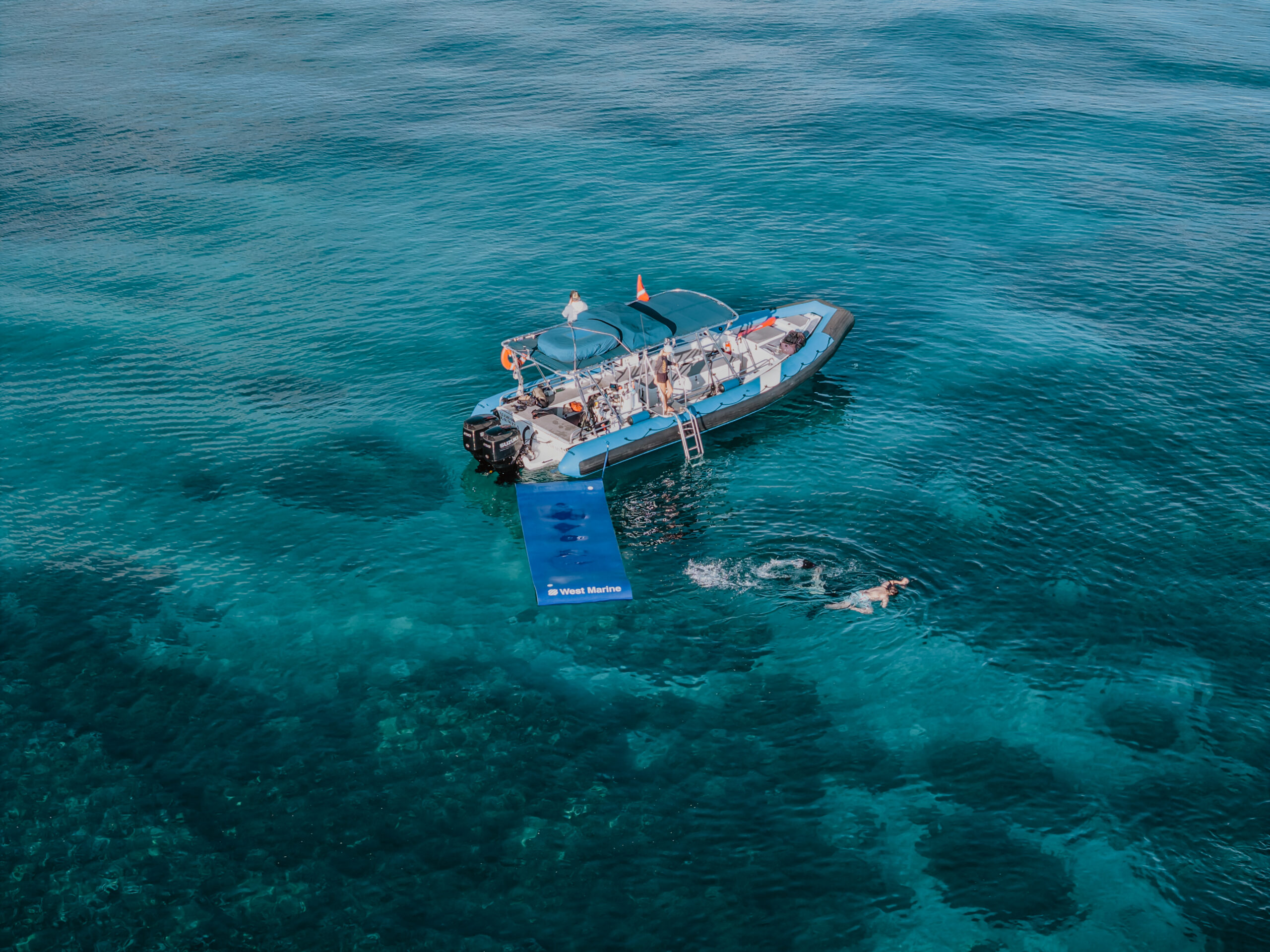
Our eco-rafts usually host 18 guests or fewer, although our newest boats can carry up to 20 passengers. Smaller groups create room for meaningful conversation instead of rushed viewing. Awareness develops naturally in that setting, reinforcing “How do whales help the environment?” through informed and responsible tourism.
Seasonal Balance And Ocean Health
From mid-April through November, we transition to snorkeling in Lahaina and dolphin watching tours. Summer visitors, often millennials and couples, look for less commercial ocean encounters that still feel personal and educational.
Snorkel instruction comes included on every snorkel tour, and we highlight reef health and marine stewardship during those outings. Sustainability remains central to our operations throughout the year.
By aligning our tour offerings with seasonal migration patterns, we reduce pressure on humpbacks during transition periods. This steady rhythm supports both tourism and marine protection. For safety reasons, we do not allow pregnant persons on our rafts, and we communicate that clearly during booking.
Experience Maui’s Whales And Learn Their Impact
Our Maui Whale Watch Eco-Rafting Tours combine education, small-group comfort, and respect for marine life. The low-to-water design allows eye-level viewing without crowding animals, creating an immersive yet responsible experience.
If you plan to visit during whale season, we invite you to join us in Lahaina. Spend time on the water and gain a deeper appreciation for how whales support the environment, from Maui’s channels to the global ocean system.