

Spotting whales in Hawaii is an exhilarating experience that attracts thousands of visitors to the islands every year. With their majestic size and playful behavior, whales have become one of the symbols of Hawaii’s natural beauty. If you’re planning a trip to the Hawaiian Islands and hope to catch sight of these magnificent creatures, here’s everything you need to know to make your whale-watching adventure unforgettable.
Understanding Whale Behavior
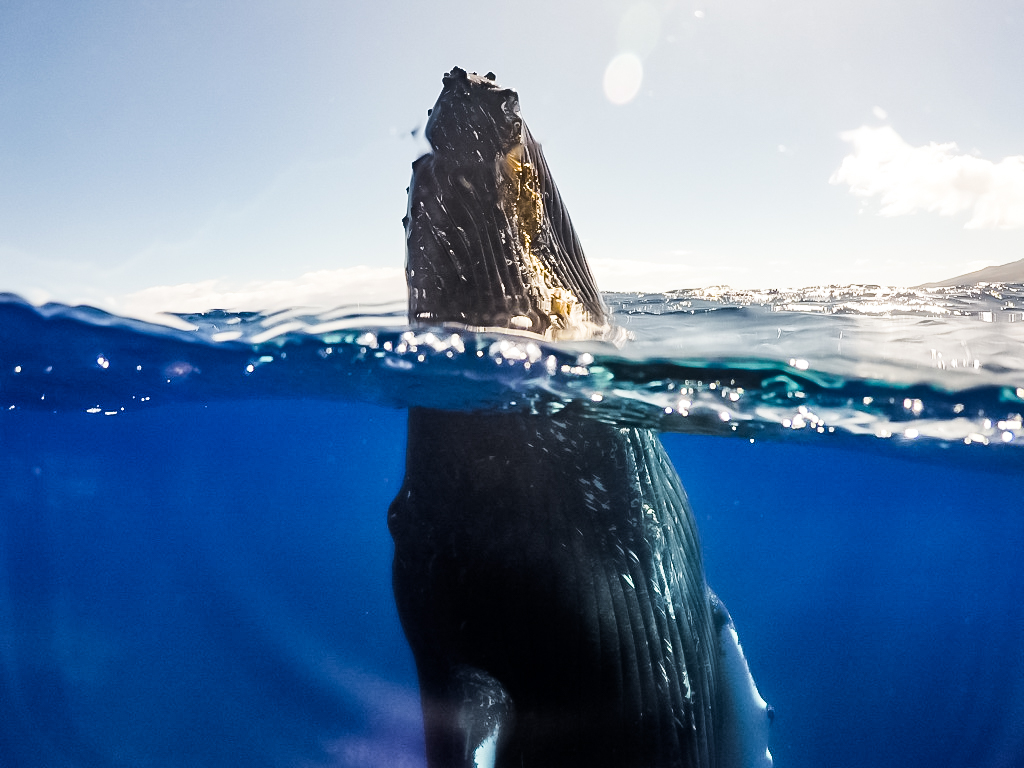
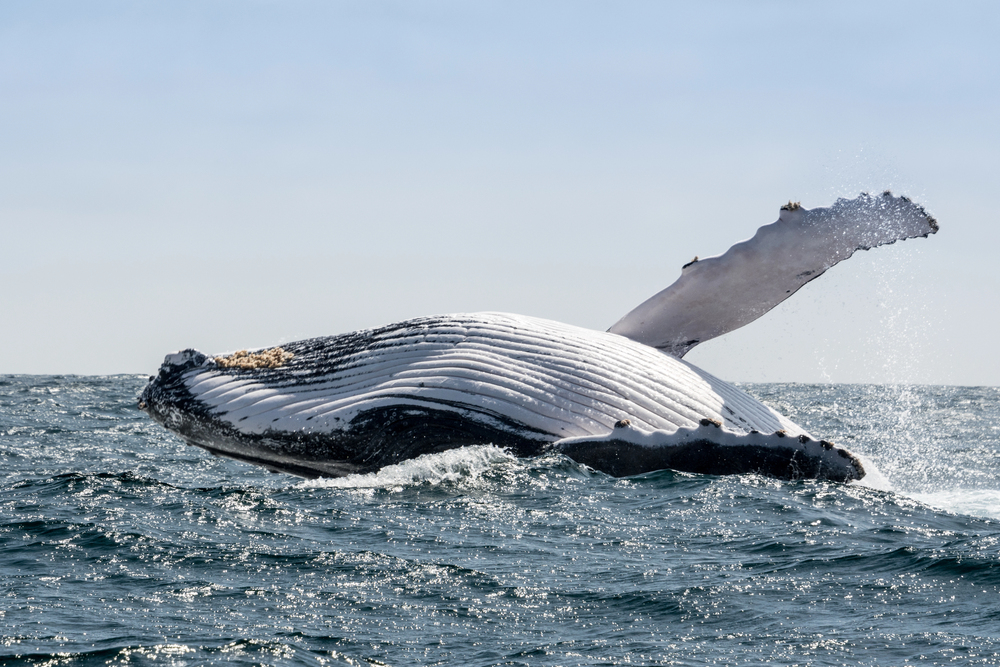
To maximize your chances of seeing whales, it’s crucial to understand a bit about their behavior. Humpback whales are the most common species in Hawaiian waters. These behaviors are not just spectacular to watch but also serve various communication and mating purposes. Knowing what signs to look for can help you spot these animals from a distance.
Best Time to Watch Whales
The peak season for watching whales in Hawaii is from December to April when humpback whales migrate from the cold Alaskan waters to the warmer Hawaiian seas for breeding and birthing. The waters around the islands provide a haven for mothers and their calves, making these months ideal for whale watching.
Prime Locations for Whale Watching
Hawaii offers several prime locations for whale watching:
- Maui: The waters between Maui, Lanai, and Molokai, especially the Auau Channel, are some of the best places to spot whales. The shallow, warm waters make it a favorite spot for whales to mate and nurse their young.
- Oahu: The south and west coasts of Oahu are great for whale watching, with numerous tours available from Honolulu and Waianae.
- Big Island: The Kohala Coast offers excellent whale-watching opportunities, with sightings common just off the shore.
- Kauai: The south and west sides of the island are ideal for spotting whales, particularly around Poipu and Kekaha.
Choosing the Right Whale-Watching Tour
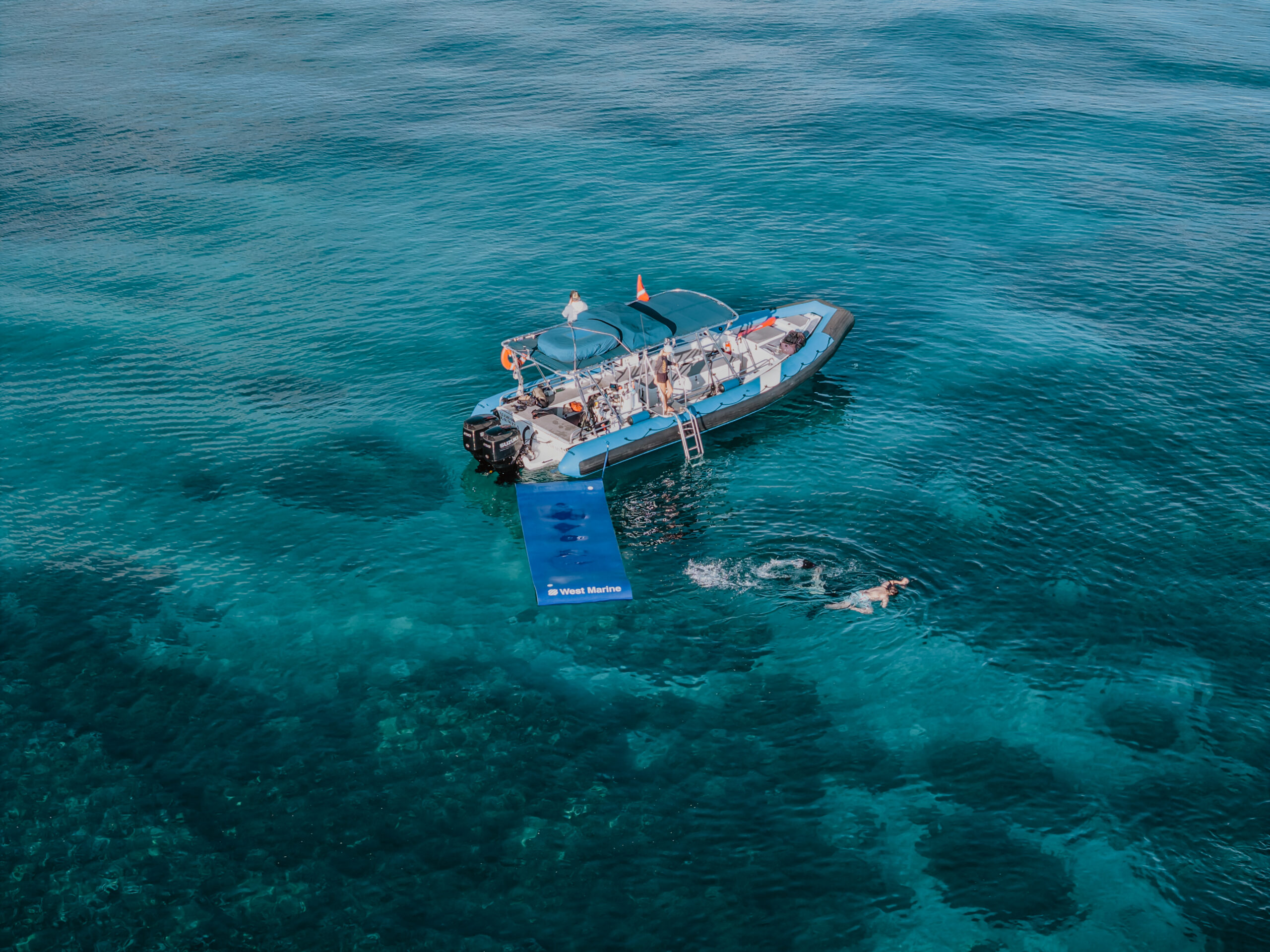
When selecting a whale-watching tour, look for eco-friendly companies that respect wildlife regulations and practice responsible viewing habits. These tours not only provide safe encounters for both guests and whales but also offer educational insights that enrich your experience. Smaller boats can often get closer to the whales, providing a more intimate viewing experience without disturbing them.
Tips for a Successful Whale Watching Trip
- Be Patient: Whale-watching can require a bit of patience. Sightings are not guaranteed, but waiting quietly and watching the horizon will increase your chances.
- Use Binoculars: A good pair of binoculars can be invaluable for spotting whales from a distance before they come closer to the boat.
- Listen to the Experts: Experienced guides can offer a wealth of information and help spot signs of whale activity that you might miss.
- Dress Appropriately: The weather can be unpredictable, and it can get quite windy out on the ocean, so dress in layers and be prepared for a range of conditions.
Respecting Wildlife
It’s important to respect the whales and their natural habitat during your adventure. Maintain a safe distance, and never attempt to touch or feed the whales. Respectful observation ensures that we can continue to enjoy and learn from these incredible creatures for years to come.
Whale Watching Ethics
Supporting conservation efforts and choosing responsible tour operators play a crucial role in the protection of whales in Hawaii. Many operators contribute to research and conservation initiatives, helping to ensure the health and safety of the whales and their environment.
Whether you’ve come to witness the breathtaking breaches of humpback whales or to explore the colorful reefs of Lahaina, Hawaii offers an endless array of natural wonders year-round. We invite you to embrace these experiences, where each visit leaves you enriched and eager to return. Let’s create lasting memories together, experiencing the best of Hawaii’s natural wonders.