
September marks a transitional season on Maui. Many travelers ask Hawaii Ocean Rafting if whale watching in September is possible. The answer is yes, with a few important details to consider.
Humpback whales typically begin arriving in Hawaii as the northern waters cool, and although peak activity is still months away, there have been documented early sightings in late September. Planning a trip during this time? The experience feels rare and exciting, as these first arrivals signal the beginning of whale season.
Whale Watching In September: A Seasonal Shift
Whale migration depends on temperature changes in the northern Pacific, particularly the colder waters of Alaska, where the whales spend their summers feeding.
When conditions change, humpbacks begin their journey south to the warm, sheltered waters of Hawaii. September often delivers the very first glimpses of these migrations. In fact, in some years, the first confirmed sightings take place before October. These early appearances spark excitement and build anticipation for the season ahead.
During September, most waters around Maui are still quiet compared to the winter months. The rare occasional sighting near islands like Niihau or Lanai creates excitement because it means the migration has started.
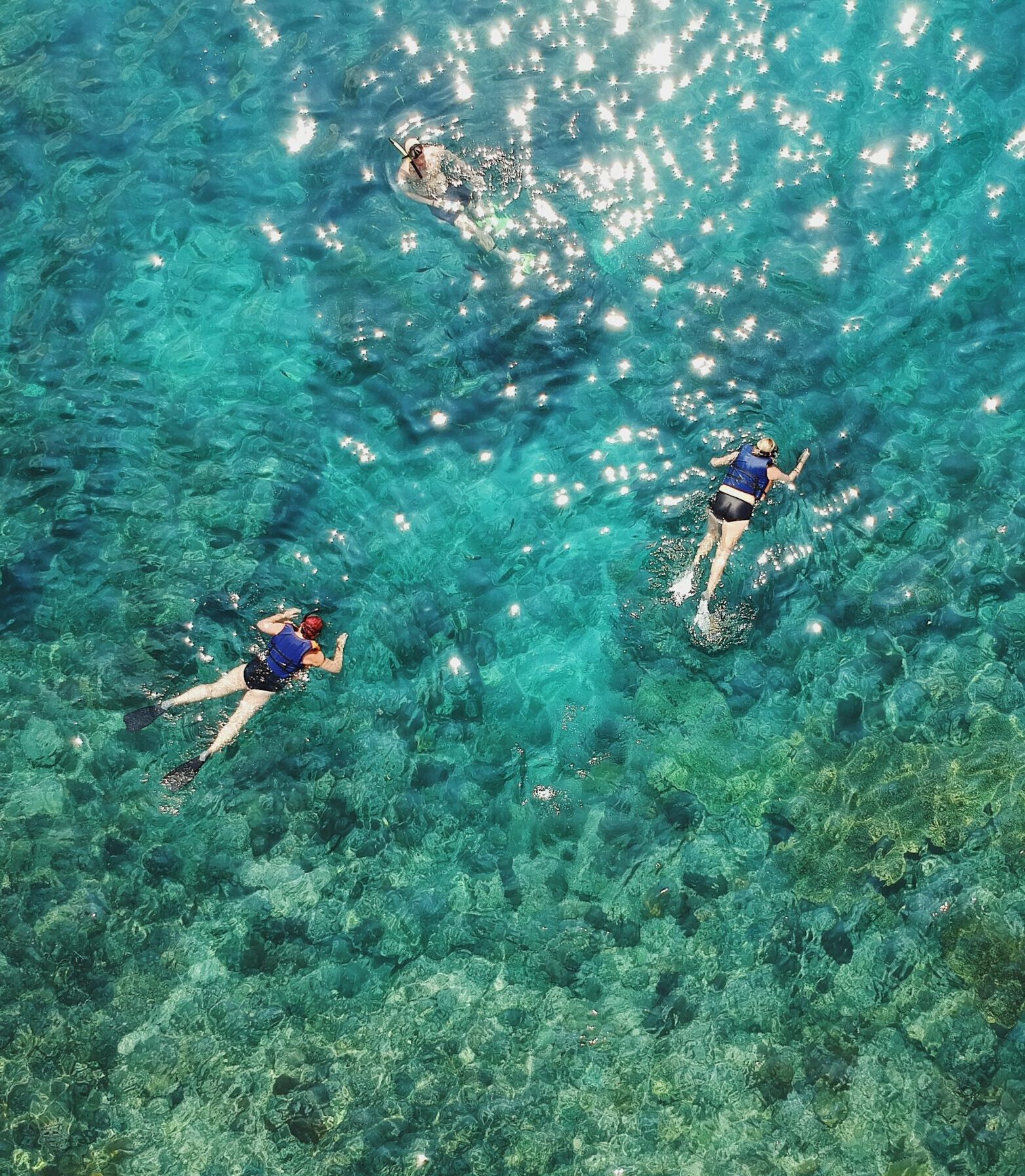
While not yet the steady show guests will see in January, February or March, seeing whales this early feels like catching a sneak preview of the main event. This is also a time when visitors can enjoy Maui’s calm late-summer ocean conditions, which are ideal for snorkeling and other water adventures.
What Whales Do When They Arrive
Once humpbacks reach Maui, their focus moves from feeding to social behavior. They mate, give birth, and nurture calves in the shallow, protected waters surrounding the island.
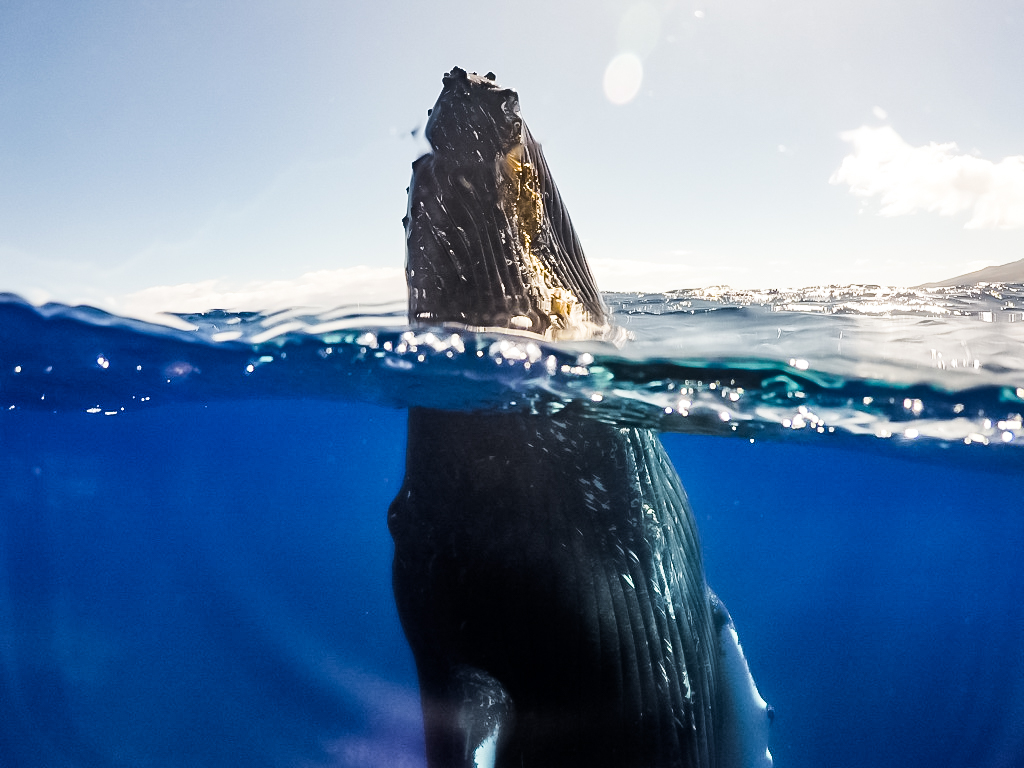
September rare sightings are usually individual whales or very small groups rather than the large pods standard in peak months. This early activity often feels personal, as encounters may include playful breaches, fin slaps, or the unmistakable sight of a fluke diving beneath the surface.
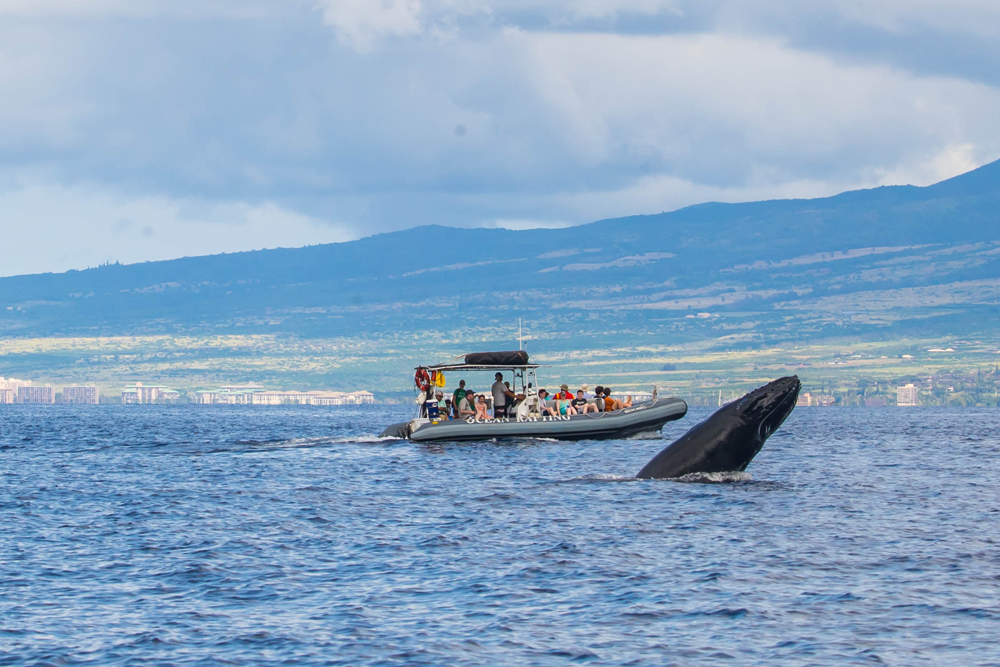
Whale encounters largely depend on the whales themselves. Federal guidelines protect humpbacks and prohibit boats from approaching within 100 yards. That said, whales sometimes approach vessels out of curiosity. For visitors fortunate enough to be on the water when this happens, the experience is unforgettable.
Best Ways To Spend September On The Water
For visitors coming to Maui in September, snorkeling and reef exploration become standout activities. Clear visibility and calm seas make this one of the best months for observing marine life beyond whales. Turtles, tropical fish, and colorful coral formations offer incredible variety, and these excursions keep you on the water in case an early humpback makes an appearance. If you want to try to catch a glimpse of whales this early in the season, joining a dolphin wildlife sightsee tour is your best bet for sightings.
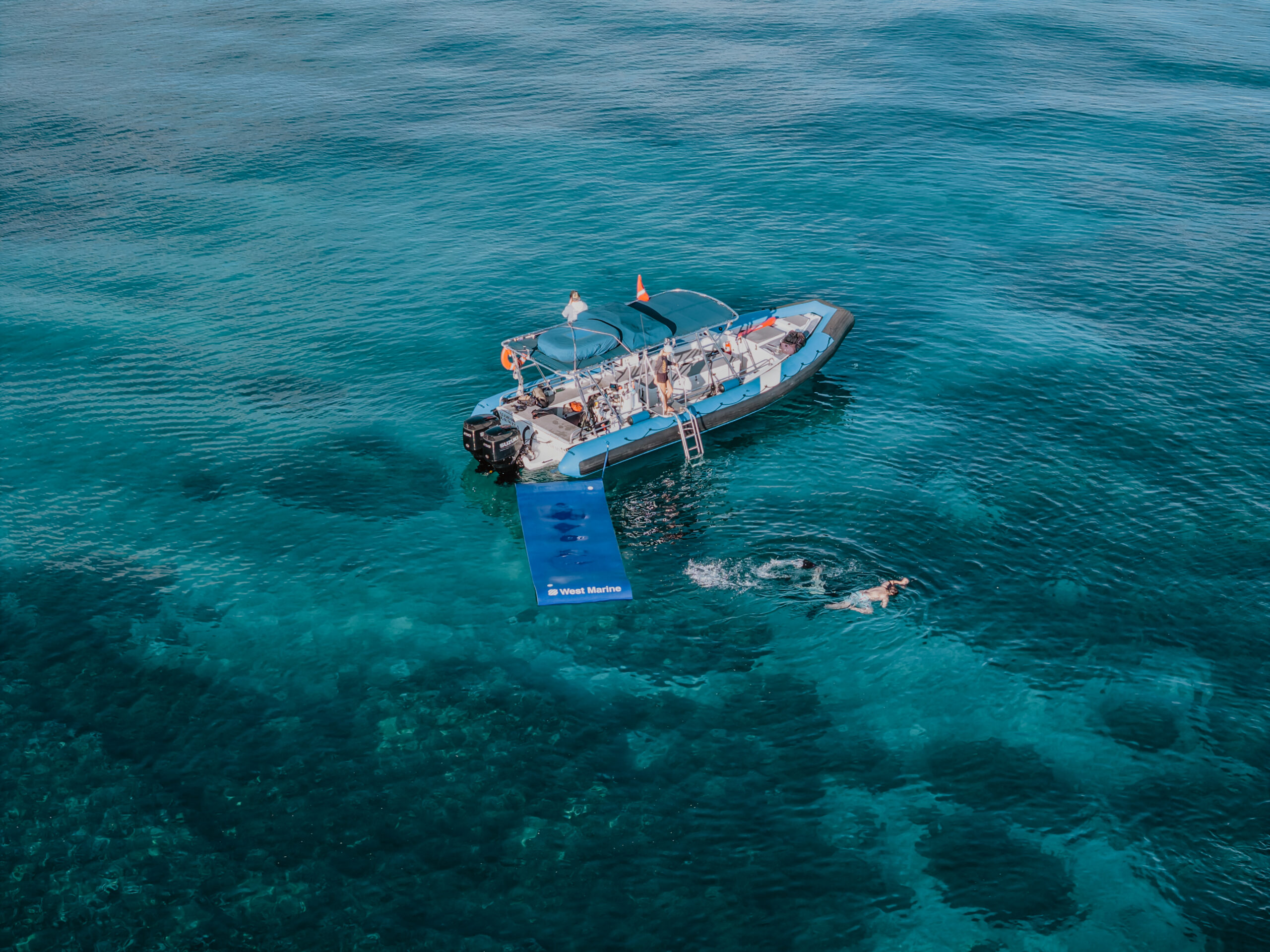
Guests who want a more personal outing can book private charters to enjoy flexibility in how they spend their day. A charter offers the chance to combine snorkeling with wildlife viewing and provides a more intimate setting than crowded tours. Because September is shoulder season, private trips often feel relaxed and give you space to enjoy the ocean at your own pace.
Starting in December, Maui whale watching tours operate daily and provide some of the most consistent and awe-inspiring encounters with humpbacks anywhere in the world.
Our Perspective
The seasonal rhythm of Maui’s waters is magical. In September, our focus goes toward snorkeling adventures and dolphin search tours while staying attentive to the early signs of whale season.
At Hawaii Ocean Rafting, sharing the thrill of the first arrivals is something we truly enjoy. Every encounter this month highlights the incredible journey these whales complete each year. Join us for snorkeling during September or return later for full-season tours.
Whale watching in September offers a special glimpse of the migration and helps create memories that connect you with the ocean in a meaningful way.