
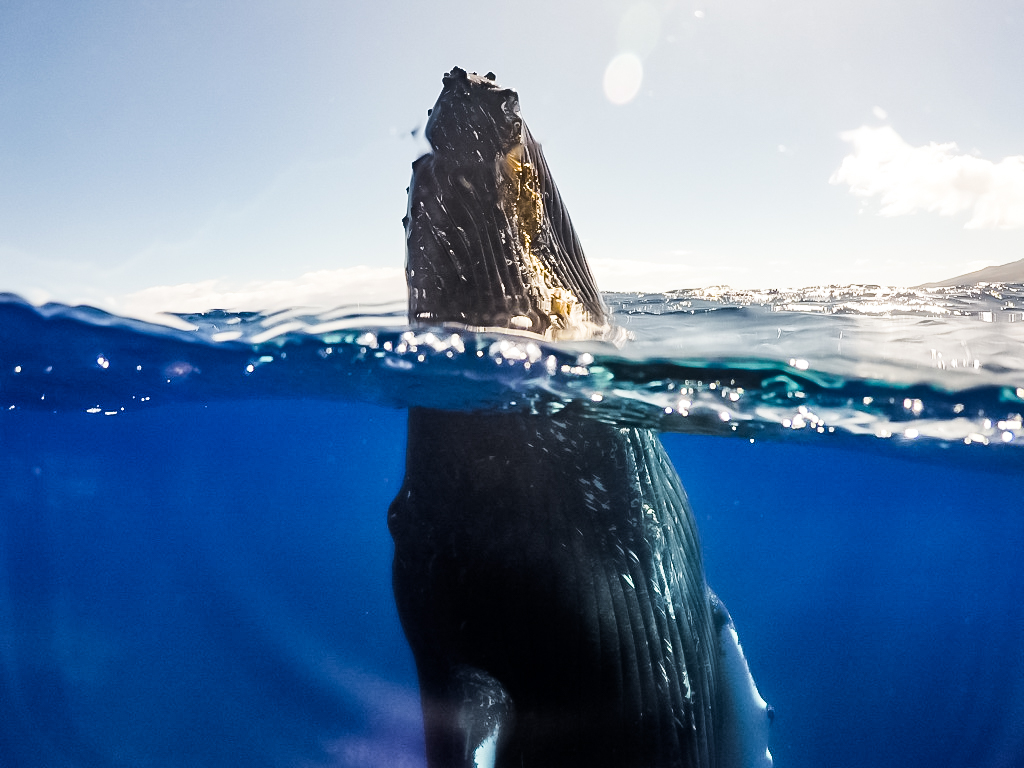
The ocean comes alive in Hawaii each winter when humpback whales return from Alaska. Their songs echo beneath the waves, their tails slap the surface, and their enormous bodies launch into the air in displays that leave travelers speechless.
Whale watching vacations capture these moments in ways that no photograph or video can match. The key is knowing when to go, how to experience the water, and what kind of tour best suits your sense of adventure. With the right choices, your time on the water becomes part of Hawaii’s living story.
Choosing Whale Watching Vacations in Hawaii
Hawaii ranks among the world’s premier destinations for whale watching vacations. Each winter, thousands of humpback whales migrate from Alaska to the warm, shallow waters around the islands. The season typically runs from December through April, with January through March offering peak whale activity.
During this time, whales breach, tail slap, and socialize in channels that sit close to shore, creating opportunities to watch them in their natural habitat. Travelers often choose Maui for its central location and the ʻAuʻau Channel, where whale activity is mainly concentrated.
Timing Matters
The timing of your visit shapes the encounters you will have on the water. Early-season sightings often feel more intimate because the whales arrive in smaller numbers. By mid-season, the waters become filled with mothers, calves, and males actively competing for attention.
Later in spring, mother whales continue to teach their calves important skills before migration, creating an opportunity to observe nurturing behaviors up close. Aligning your travel dates with the type of experience you want plays an important role in creating a meaningful trip.
Selecting the Right Tour
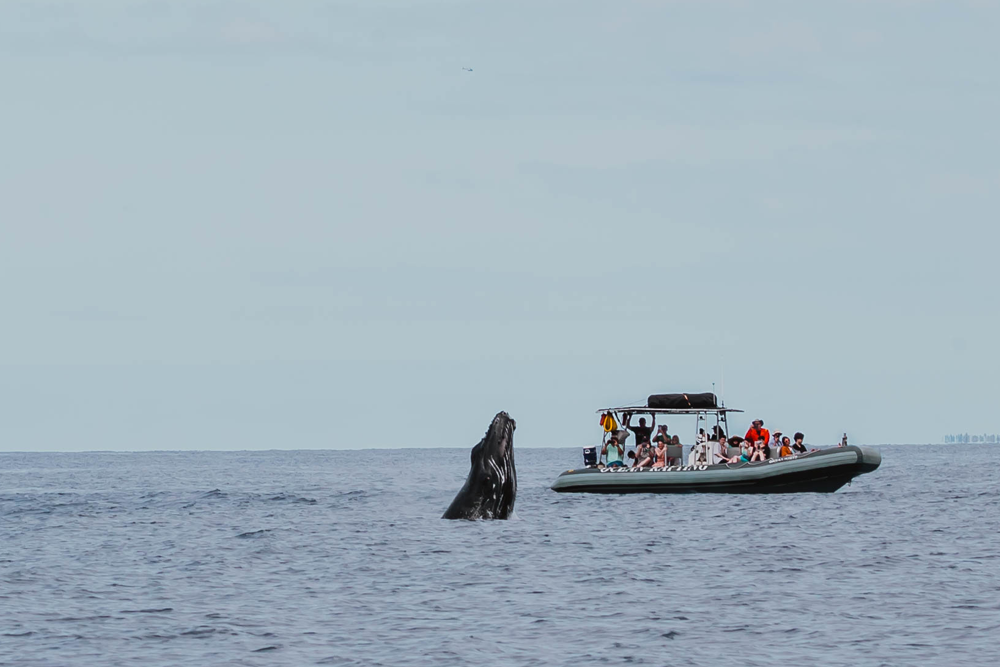
Each tour style and vessel brings a unique experience. Larger boats provide extra space, slower pace, and amenities, making them a good choice for families with young children or travelers seeking a slower paced experience. Smaller rafts and boats deliver a faster-paced, adventurous outing with fewer people on board.
Tour lengths also vary, with options ranging from a couple of hours to excursions that combine wildlife viewing with snorkeling or sunset cruises. Considering your comfort level, schedule, and appetite for adventure helps you select the best fit.
Location and Marine Encounters
The island you visit determines what you see, in addition to whales. Maui’s access to the Au‘au Channel provides some of the most reliable humpback encounters due to the majority of the humpback whale population spending their winter in this island’s channel. The Big Island’s Kona Coast offers exceptionally clear water and diverse marine life.
Oahu adds panoramic backdrops and the chance to spot monk seals and sea turtles. Kauai brings towering cliffs and dramatic seascapes. Each island comes with its own marine encounters, adding depth to your time on the water.
Responsible Travel and Conservation
A responsible tour operator does more than show you whales. They protect the habitat and respect marine guidelines. Good operators follow distance regulations, limit noise, and prioritize guest education.
This approach protects the whales while also creating a more meaningful experience for travelers. Supporting companies that value conservation contributes to the health of the ocean and the long-term survival of the species that make Hawaii so special.
Experience Whale Watching With Us
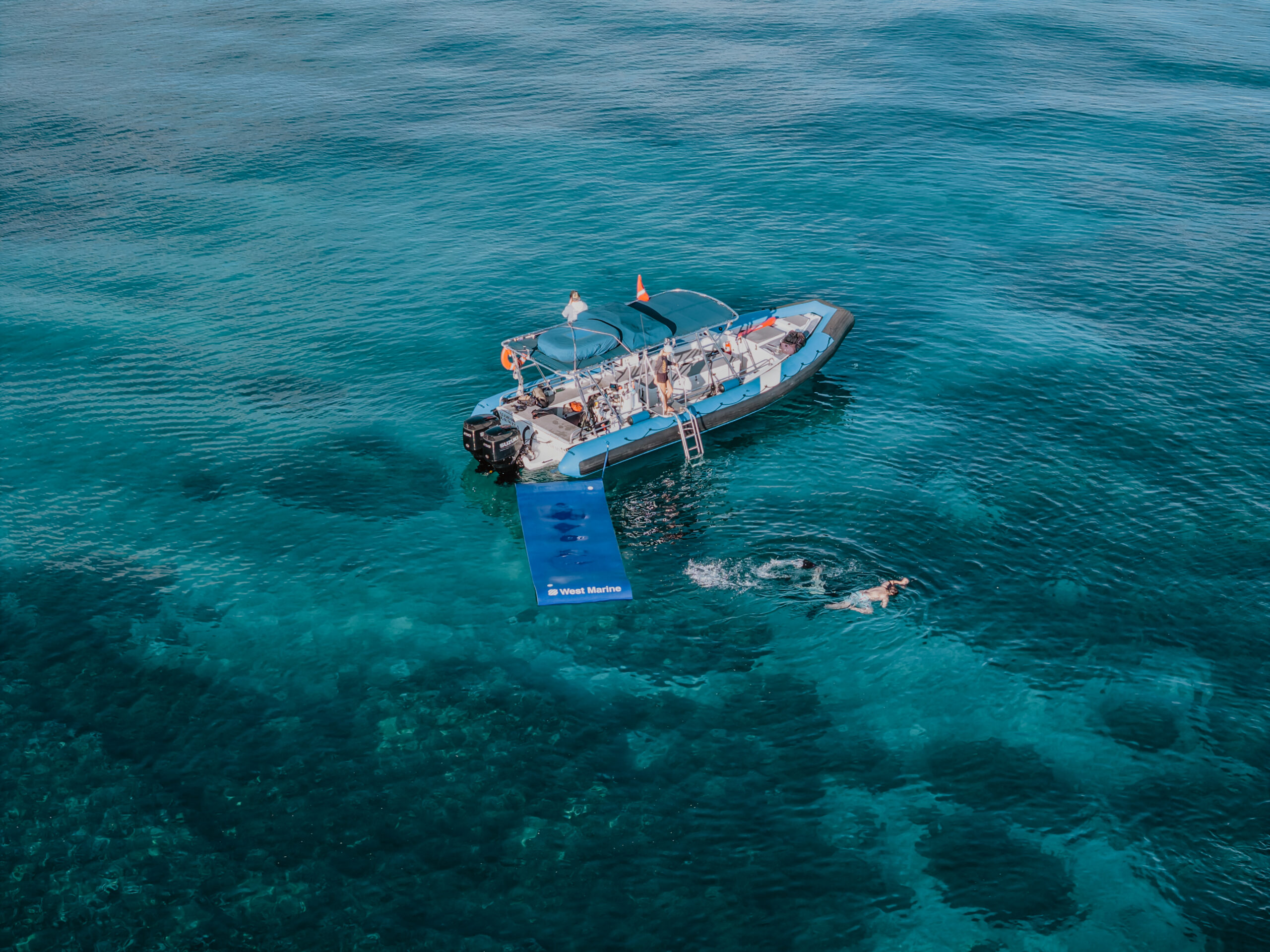
At Hawaii Ocean Rafting, we specialize in small group Maui whale watching tours that bring you close to the action without the crowds. Our departures from Lahaina put you right in the heart of the whale migration channel.
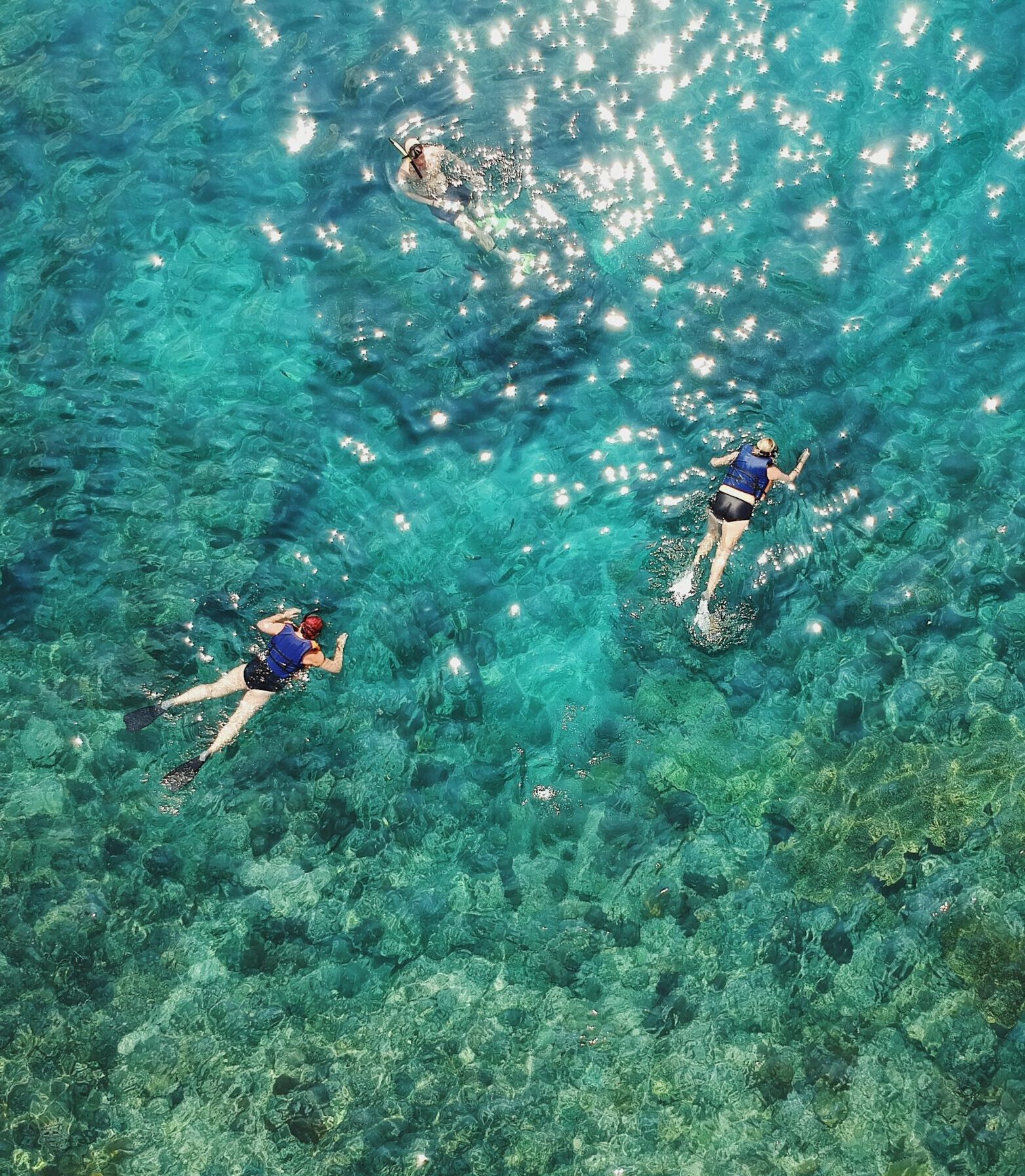
When the season changes, we offer Maui snorkeling tours that explore vibrant reefs and marine sanctuaries from spring through fall. Whichever trip you choose, our goal is to create authentic ocean adventures that connect you with Hawaii’s marine world.