
Each year, the ocean off West Maui shifts with the seasons. Travelers planning whale watching in Maui often align their trips with this natural rhythm and experience some of the most memorable moments on the water.
Humpback whales return to warm Hawaiian waters during the winter months, creating a limited period when sightings become common near Lahaina and Kaanapali. Timing plays a major role, and choosing the right season shapes the overall experience.
Understanding The Whale Season In Maui
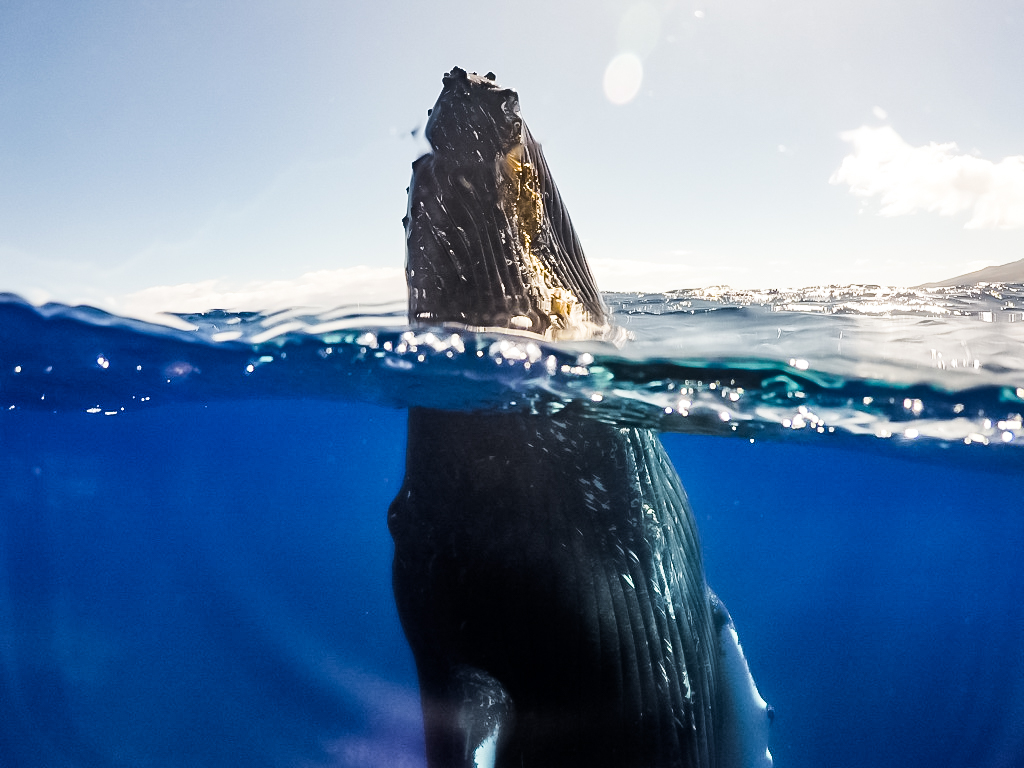
Whale season in Maui runs from December through April. Activity begins to rise in October as the first whales arrive. Numbers continue to grow through winter, with peak sightings from January through March.
During this time, whales remain close to shore. Many pass through the channels near Lahaina and Kaanapali. These waters feature calmer conditions and steady movement, which allows guests to observe whales without extended offshore travel.
Why Winter Offers The Most Consistent Sightings
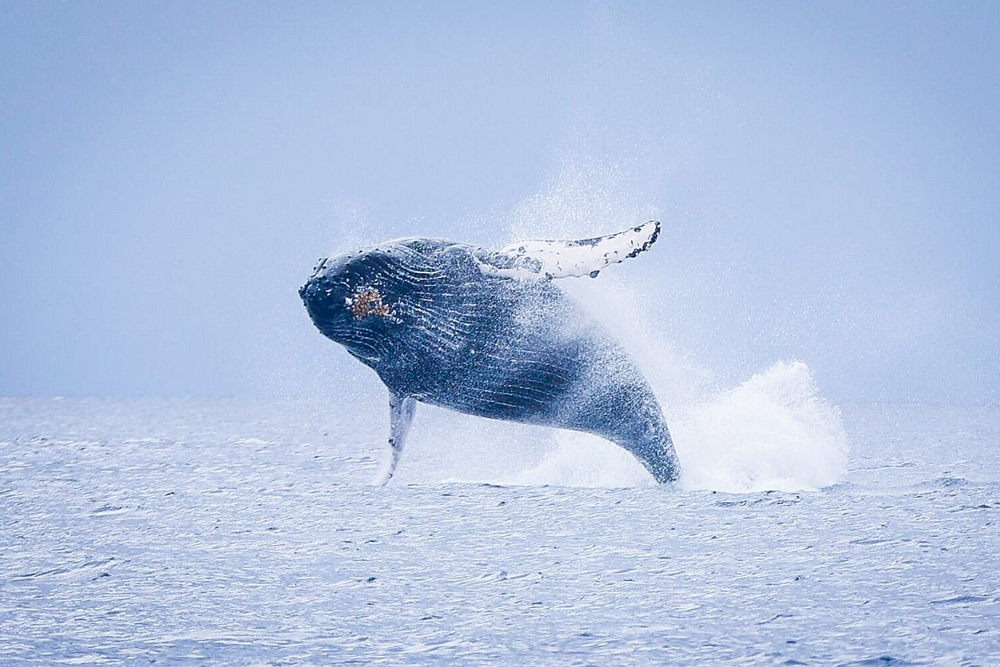
Winter brings purpose to whale watching. Humpback whales arrive to rest, mate, give birth, nurse calves, and socialize. These behaviors increase surface activity, which makes sightings easier to spot from the water.
Our tours operate near the Maui Nui Basin, one of the most active whale areas in the islands. This location reduces travel time and increases time spent watching whales. Guests often appreciate how focused the experience feels during the winter months.
The Best Months Within Whale Season
January, February, and March bring the highest concentration of whales. Many guests plan trips during this period to improve their chances of seeing repeated surface activity.
December also delivers strong sightings, although activity builds gradually early in the month. April signals the close of the season, with fewer whales remaining as migration north begins.
Morning Versus Afternoon Tours
Whales follow their own patterns, yet ocean conditions often feel calmer earlier in the day. Morning tours usually feature smoother rides and softer light across the water. Afternoon tours still produce rewarding sightings, especially during peak months.
The best choice often depends on comfort preferences and travel schedules rather than whale movement alone.
Why Location Shapes The Experience
Lahaina and Kaanapali sit beside active whale corridors. Tours launching from West Maui often spend more time observing whales and less time traveling. Guests staying nearby also benefit from shorter drives and relaxed departures. That ease supports a calm start to the day and helps the experience feel unhurried.
How Eco-Rafting Fits The Season
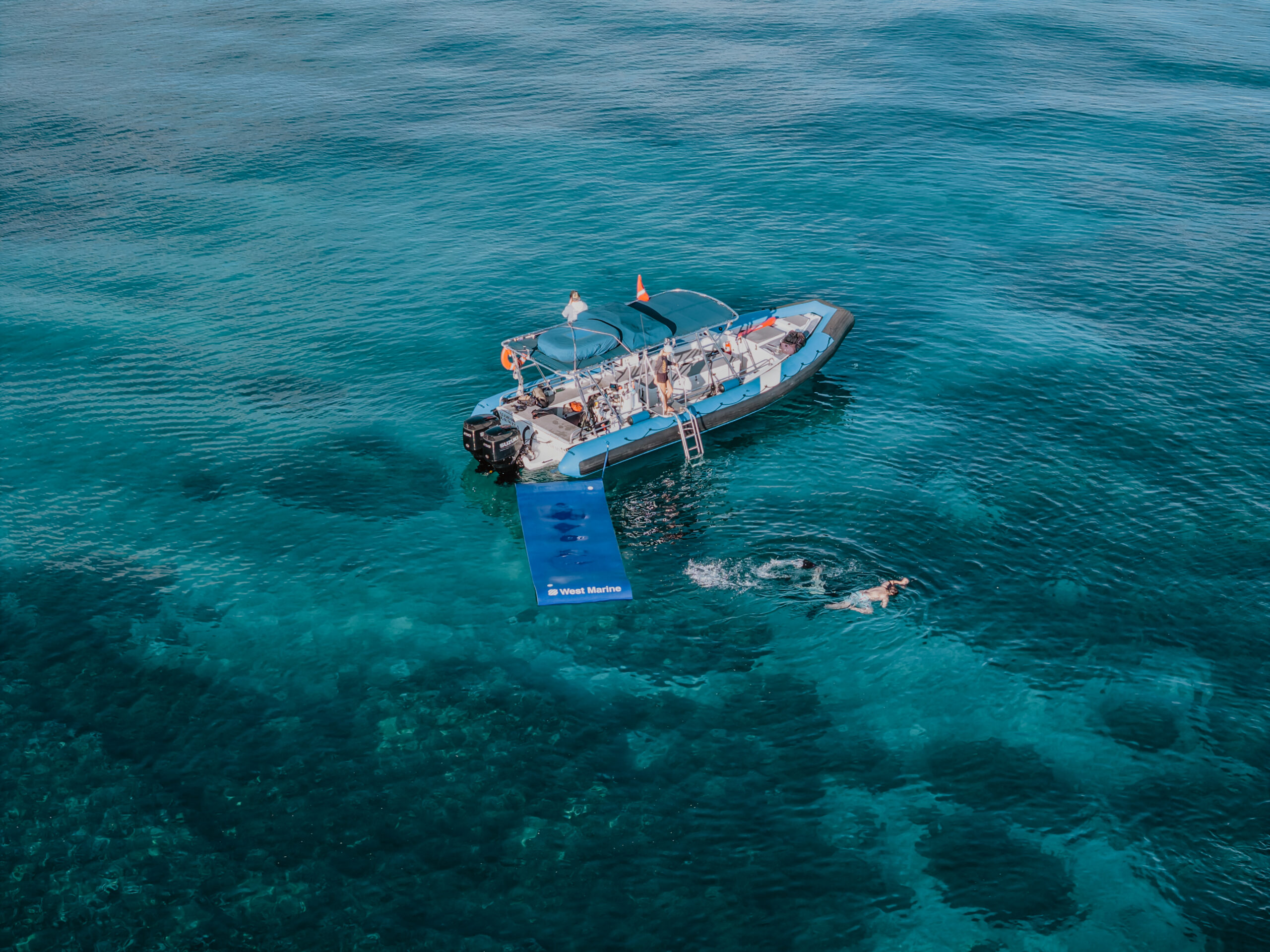
Eco-raft tours work well during whale season. Their low-to-water design creates eye-level viewing that feels immersive. Guests often describe feeling closer to the moment compared to watching from higher decks.
Our rafts carry small groups, now 20 guests or less on newer zodiac boats, while keeping a close-knit atmosphere. This setup allows clear views and steady communication with our marine naturalist crew.
Safety remains a priority. We do not allow pregnant guests on our rafts due to vessel movement.
Who Whale Season Appeals To Most
Winter tours often attract women between 35 and 70 who enjoy active travel and learning while on the water. They often travel solo, with friends or family and can bring them along. Eco-rafting suits guests who want engagement without a crowded feel.
What Happens After Whale Season Ends
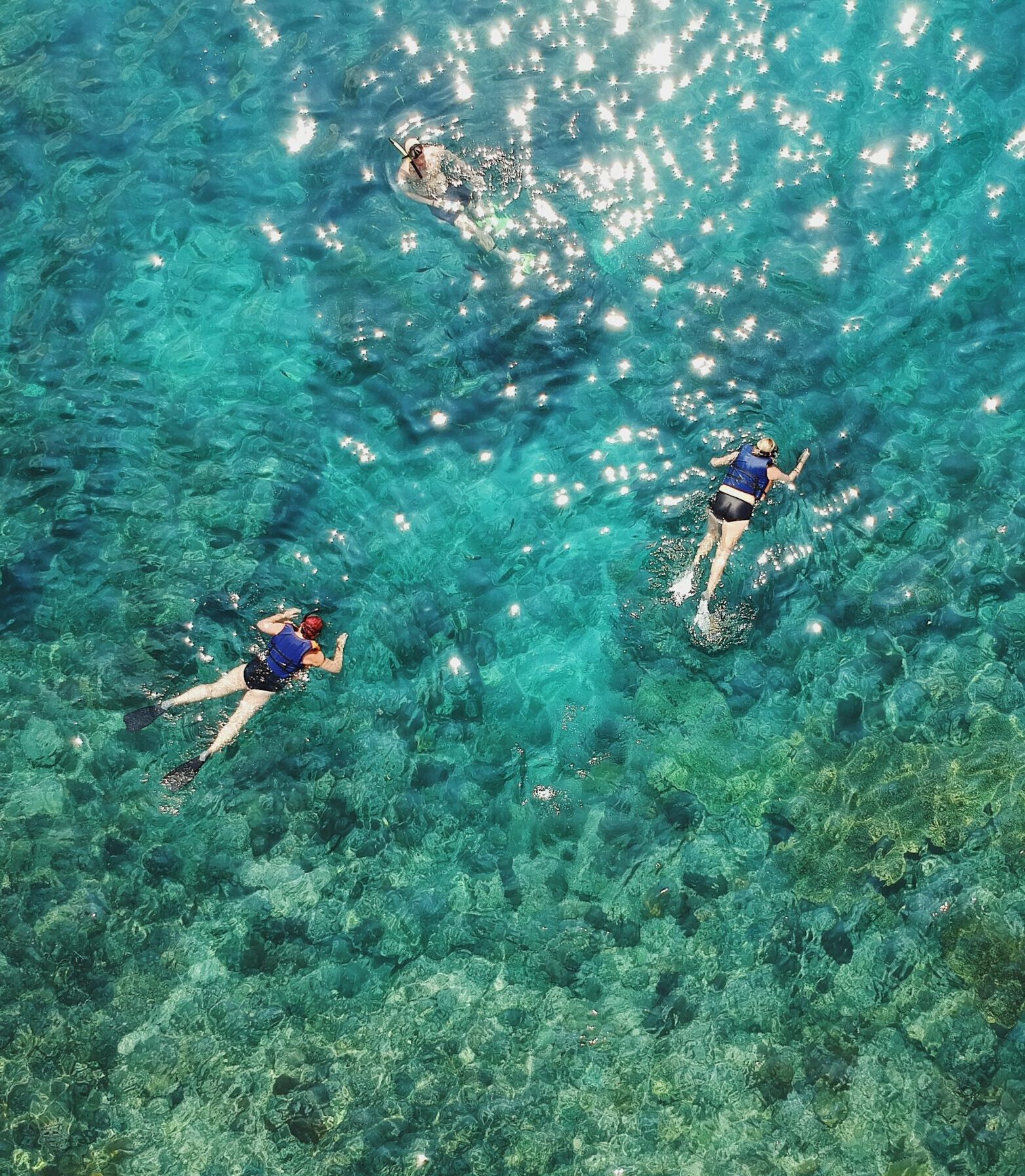
As whale activity slows in late March, our focus begins to shift. From mid-April through November, snorkeling and dolphin watch tours become the highlight. Snorkeling in Lahaina brings clear water, reef life, and turtle sightings. Summer dolphin encounters add excitement for couples and younger travelers seeking quiet ocean time. Snorkel instruction remains part of every snorkel tour.
A Local Perspective On Seasonal Planning
Hawaii Ocean Rafting began in 1991 and continues today with hands-on ownership and daily involvement. Being Hawaiian-owned shapes how we plan around the seasons. Our team stays attentive to ocean conditions and guest comfort throughout the year. While many tours share similar waters, the timing and approach define how the experience feels.
An Invitation To Join Us During The Right Season
The best time to go whale watching depends on nature and thoughtful planning. Winter brings whales close to Lahaina and Kaanapali, while summer opens the door to snorkeling and dolphin watching.
We welcome guests who value small groups, calm guidance, and time spent on the ocean with purpose. When the season feels right, our crew looks forward to sharing the water with you.