
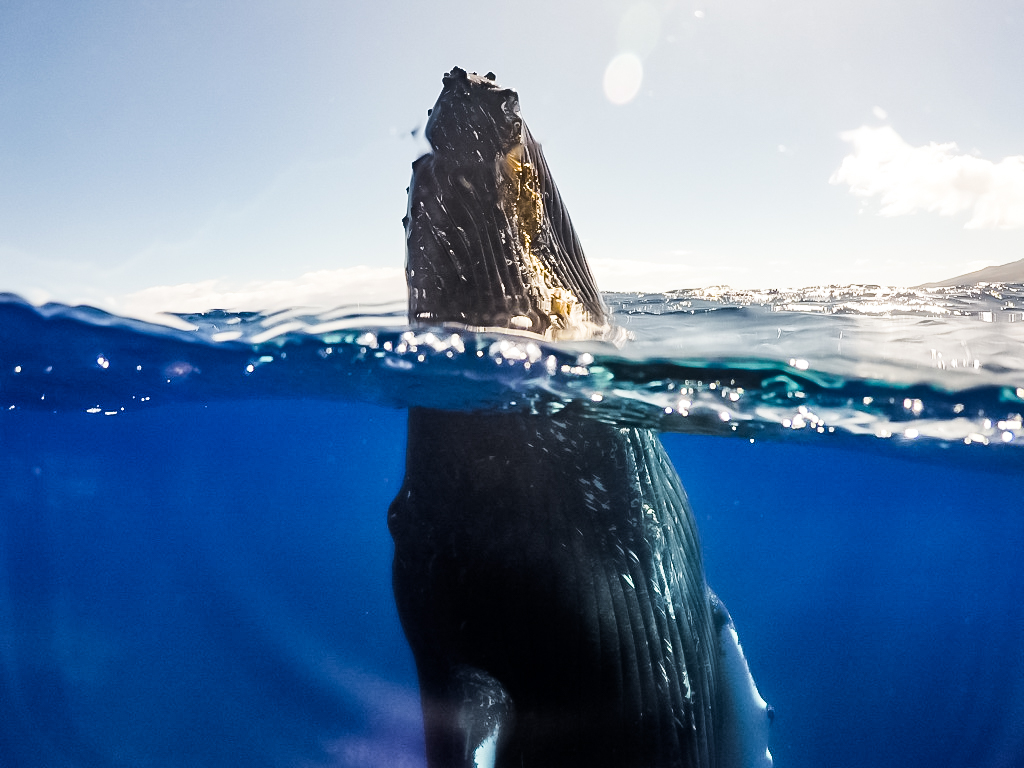

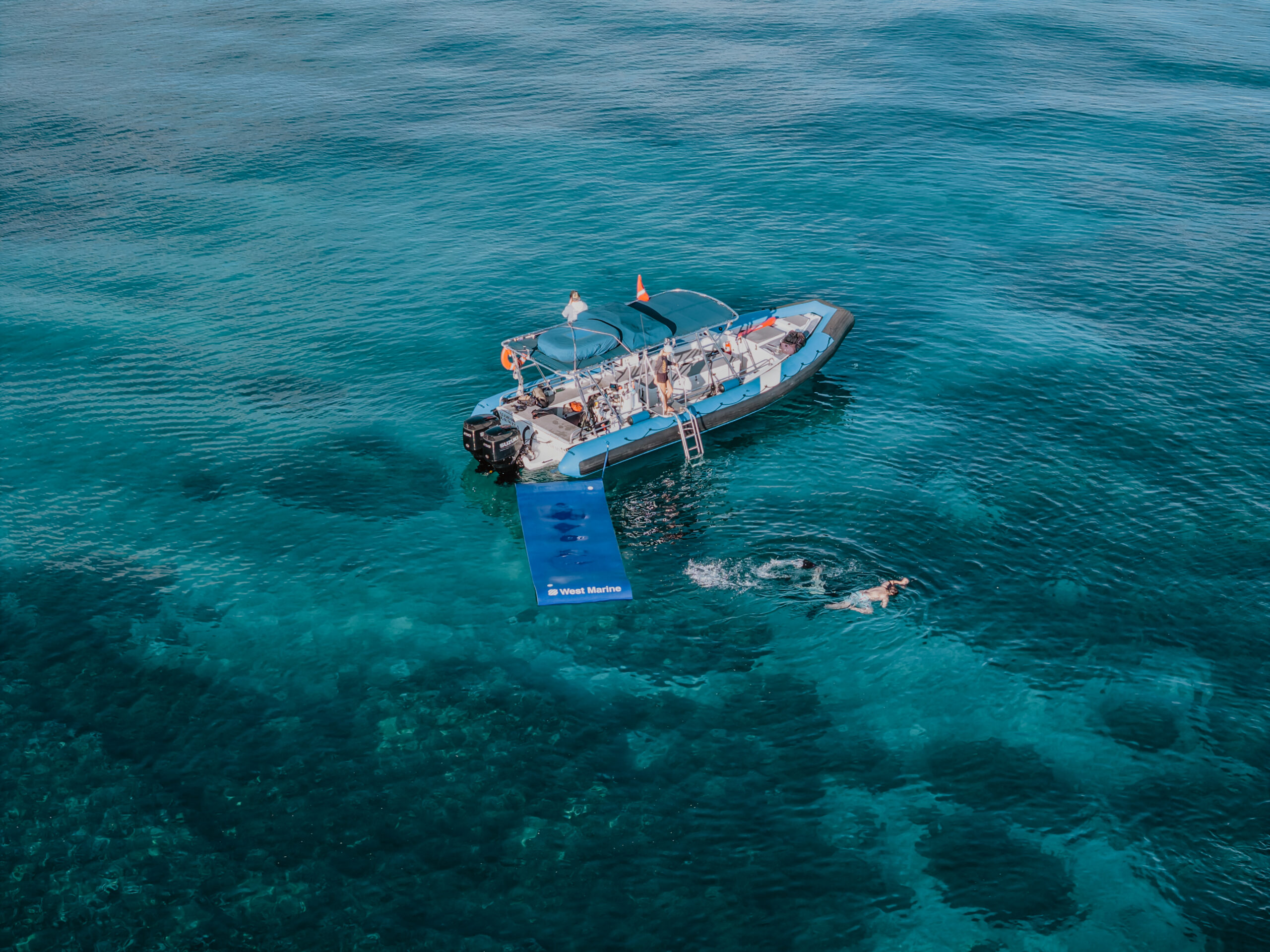
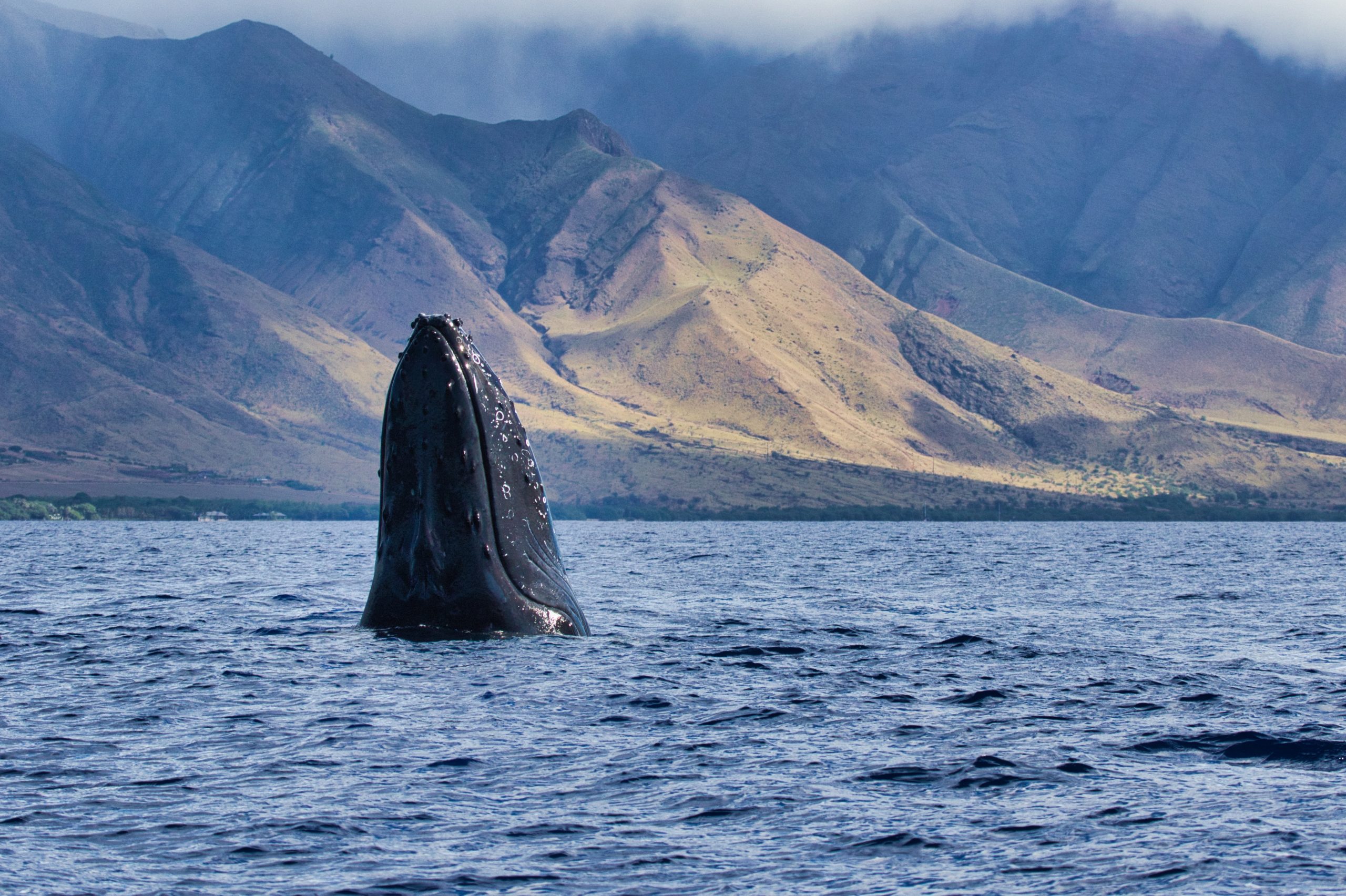
If you’re planning a trip to Maui, you probably already have a list going: sand beaches, sunsets, maybe drive the Road to Hana. But if booking a whale watching tour is on that list, timing your booking makes the difference between a good experience and an unforgettable one.
Maui sits in the heart of the Hawaiian Islands Humpback Whale National Marine Sanctuary, and every winter, thousands of Northern Pacific humpbacks make the journey here to breed, calve, and socialize in the warm, protected waters of the Au’au Channel. It’s one of the most remarkable wildlife events on the planet, and from the water, it’s something else entirely.
That’s exactly the view Hawaii Ocean Rafting has been offering for over 30 years. As a locally owned, Native Hawaiian-operated company, we know these waters the way most people know their own neighborhood. Our local knowledge shapes every trip, from the routes our crew navigates to the stories and fun facts we tell along the way.
Our experience has also taught us when the magic happens, and how a little planning goes a long way toward putting you in the right place at the right time. Knowing when and how to book a whale watching trip in Maui means you get to enjoy the season on your own terms: relaxed, prepared, and ready to make the most of every moment on the water.
When Can You See Whales in Hawaii?
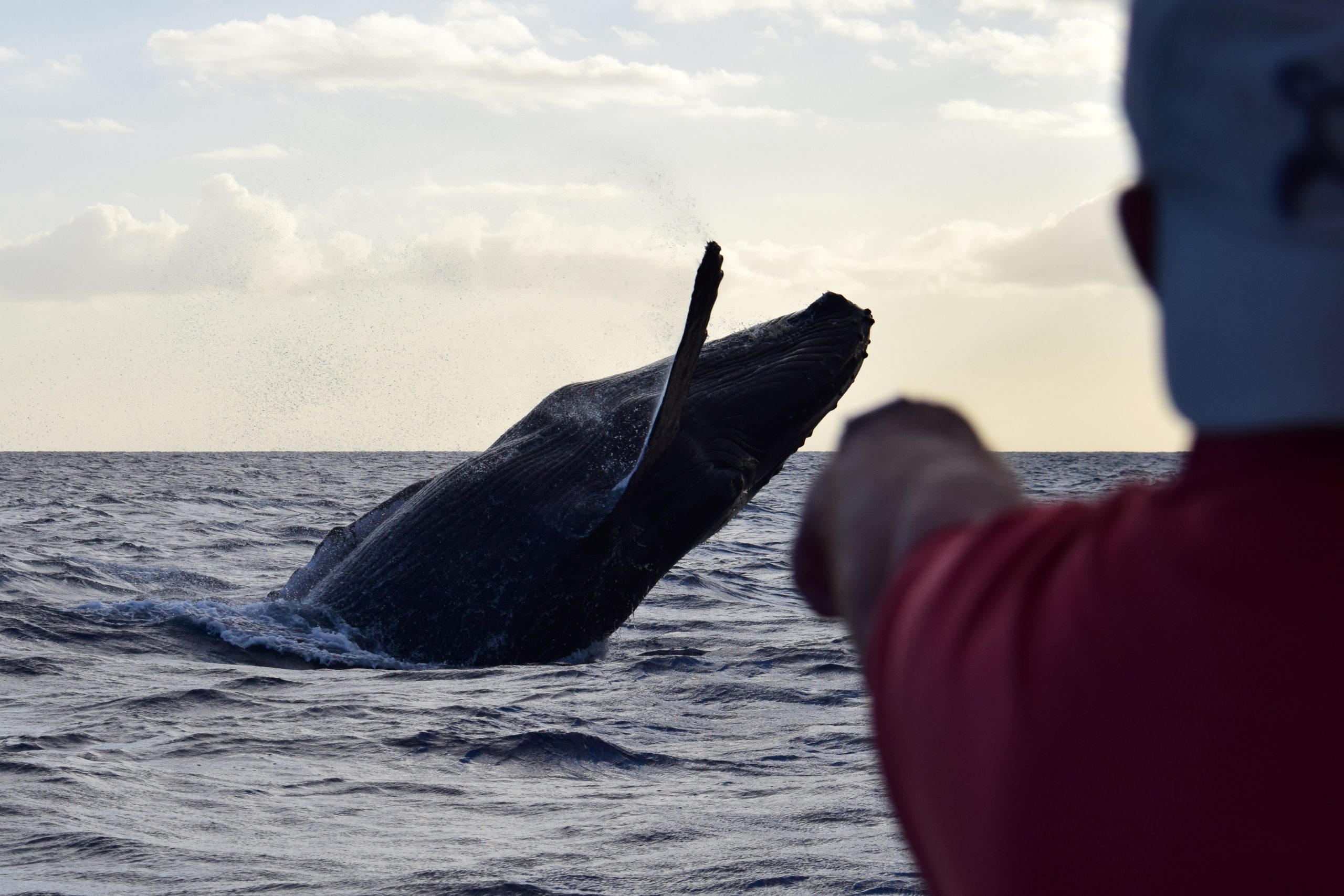
The island of Maui has so much to offer year-round — snorkeling with sea turtles, hiking Haleakala National Park, watching the sunset from Wailea — but whale watching isn’t one of those anytime activities. Humpback whales are seasonal visitors, just like many of the people hoping to see them. The season generally runs from December through April, with January through March bringing the highest whale counts in the water. If booking a whale watching tour is part of your Maui vacation planning, knowing those dates is the first thing to build your trip around.
The reason humpbacks show up in Maui every winter comes down to migration patterns. These whales spend Alaska’s summers feeding in cold, nutrient-rich waters, building up the fat reserves that fuel everything that comes next. When fall arrives, they make the roughly 3,000-mile journey south to Hawaii, drawn by the warm, shallow, protected waters of the Maui Nui Basin — ideal conditions for mating, calving, and nursing. They don’t feed here at all. Maui is entirely about reproduction and raising young, which is exactly why the activity you witness from the water — breaching, tail throws, competitive pods, mother-calf pairs — is so extraordinary.
Planning a Trip to Maui Around Whale Watching Season
Whale season typically spans five months, but not every month delivers the same experience, and not every traveler has the same priorities. The best time to book your whale watching tour really comes down to when you’re visiting Maui and what you want your trip to be.
November: Whale Migration to Maui Begins
Northern Pacific humpback whales often make an appearance in Maui as early as October and November. Since the migration season has only just begun, whale sightings usually increase as December approaches. Whale search tours start November 1st, and include sightseeing, looking for whales and dolphins, marine naturalist education, and delicious snacks.
December: The Official Start of Maui Whale Watching Season
December marks the start of whale season, and while the population is still building, there’s plenty to see. Our whale watching tours in December see consistent sightings, and the activity can be surprisingly dynamic. Early arrivals are active, and the first competitive pods of the season often show up before January.
For travelers already planning a trip to Maui for the holidays, adding a whale watching tour is a natural fit. Tour availability fills quickly at this time, so locking in your spot sooner gives you more options on timing and group size.
January & February: When Maui Whale Watching Hits Its Peak
If whale watching is the centerpiece of your Maui vacation, January and February are your months. The whale population in the Au’au Channel is at its highest, and the whale behaviors that come with peak mating season — competitive pods, breaching, pec fin slaps, singers — make these the most dramatic weeks on the water.
These are also the most in-demand weeks of the season. Travelers planning around this window should book whale watching in Maui well in advance, especially if group size or a specific departure time matters to them.
March: Strong Whale Watching and Easier Maui Vacation Planning
Whale activity in Hawai’i remains strong well into the month of March. Population numbers are still high, and the intensity of peak mating season means plenty of surface behavior. March weather in Maui is warm, the island feels lively, and excellent whale watching is still very much on the table without the pressure of booking whale watching in Maui’s winter holiday rush.
April-May: Flexible Maui Whale Watching for Spring Travelers
By this time of year, whales are beginning their journey back north, and the population starts to thin. Our tours still have humpback whale sightings — sometimes memorably close ones — but this is the time to come in with an open, adventurous mindset rather than peak-season expectations. Because there are fewer female whales left, the competition groups of males can be larger and more active, which can offer surprising whale encounters late in the season.
June-October: Ocean Adventures Beyond Whale Watching
Whale season may be the headliner, but Maui’s ocean doesn’t slow down when the humpbacks head north. June through October, Hawaii Ocean Rafting runs snorkel and dolphin tours that showcase a completely different side of these waters. Spinner dolphins are a regular presence on the water, and green sea turtles are spotted on nearly every tour. If you’re planning a trip to Maui in the summer or fall, a dolphin and turtle tour is one of the best ways to spend a morning on the water.
Ready to Get on the Water? Book Your Maui Ocean Tour

Maui Whale Watching Tours
Small groups, expert naturalists, and some of the most dramatic marine life encounters Maui has to offer.

Dolphin Watching Tours
A two-hour on-the-water experience with Maui’s resident dolphin populations, no snorkeling required.
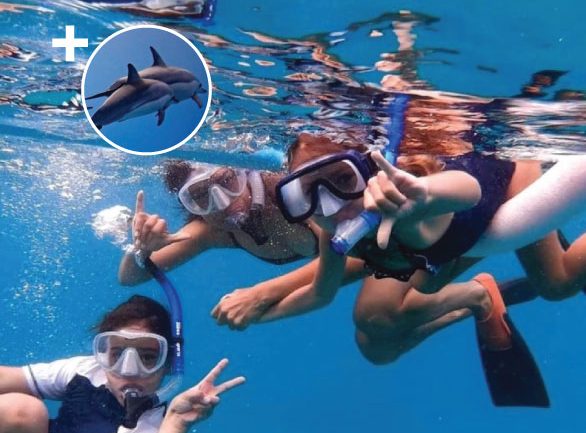
Lanai Snorkel & Dolphin Tour
Cross the channel to Lāna’i for snorkeling with turtles, wild reef fish, and spinner dolphins away from the crowds.
Book a Lanai Snorkel & Dolphin Tour
Picking Your Tour Time: What Time of Day Is Best for Whale Watching in Maui?
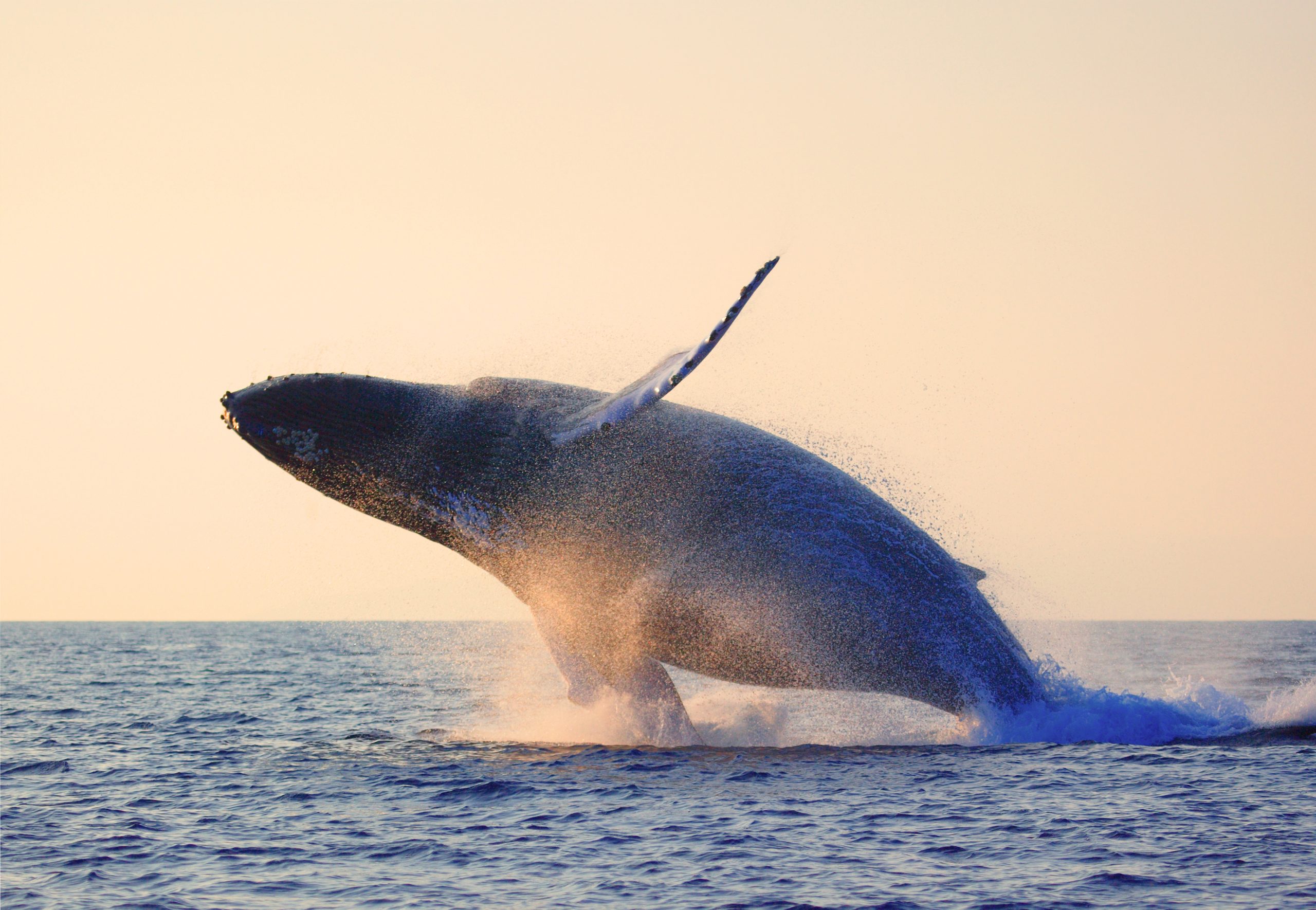
Whales move through Maui’s waters throughout the day, so there’s no single hour that guarantees a more dramatic experience than another. That said, morning departures are typically recommended for tours if you are departing anywhere but Lahaina.
Lahaina departures come with some practical advantages. Ocean conditions are always calmer in Lahaina because of the protection the West Maui mountains provide from the trade winds, which can make for a smoother ride — especially for anyone prone to seasickness or traveling with young kids.
If you are whale watching anywhere else on Maui, it is best to depart before 10 am for the best ocean conditions. Morning light can also be softer and easier to photograph.
If an early alarm doesn’t fit your vacation style, an afternoon departure still puts you on the water during active whale season. Hawaii Ocean Rafting offers both morning and afternoon options, so you can build your tour around your itinerary rather than the other way around. The best whale watching tour time is the one that fits your day — because the most important step is simply getting on the water.
Maui Vacation Planning: Should You Book Whale Watching at the Start or End of Your Trip?
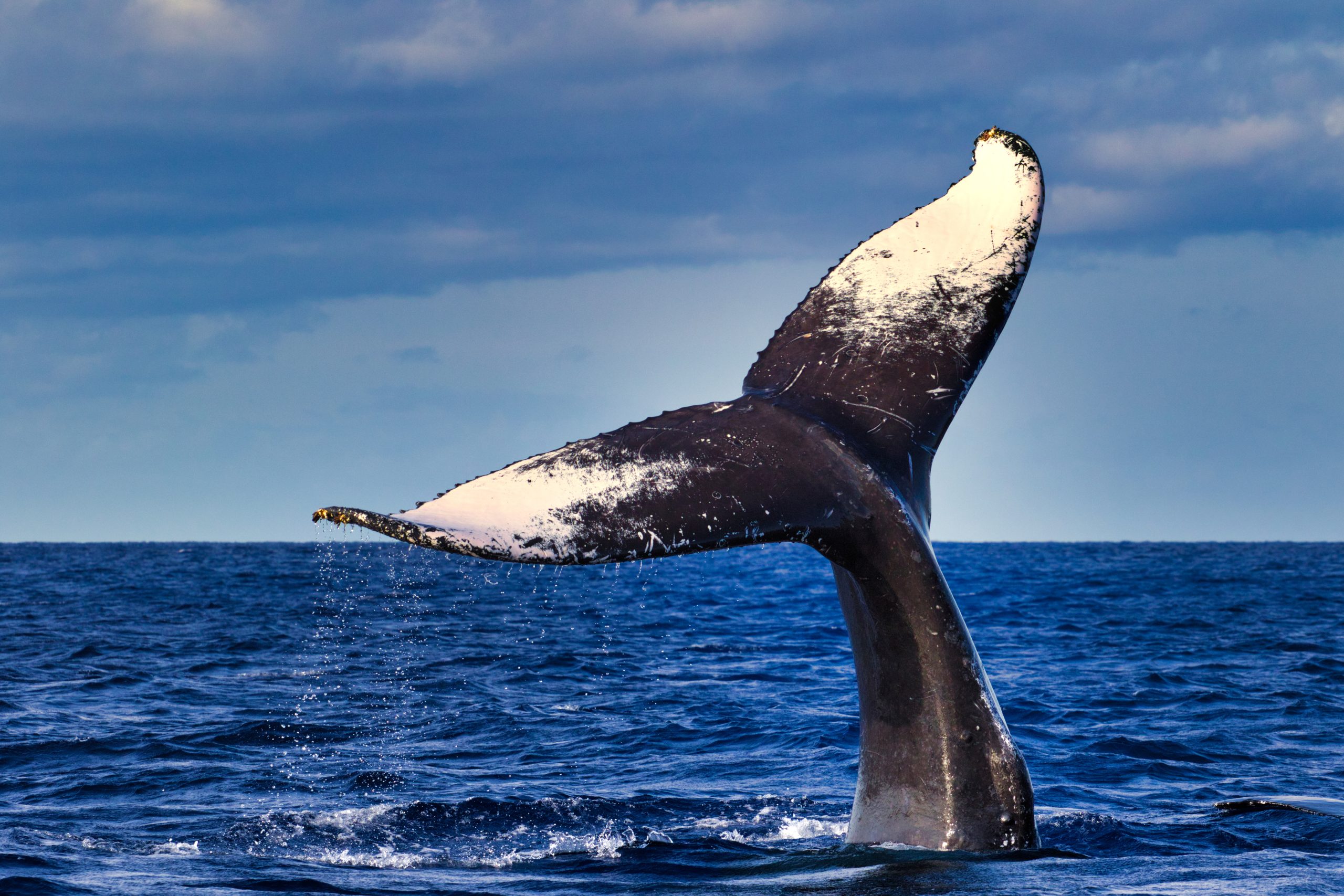
If whale watching ranks high on your list, schedule it toward the first half of your trip rather than saving it for the end. Maui’s ocean conditions shift day to day, and having your tour earlier gives you breathing room if something comes up.
Avoid scheduling your tour for the day you arrive, especially after a long travel day. Give yourself at least one day to settle in, sleep well, and actually enjoy the experience. The same goes for the morning after Haleakalā sunrise — that’s a 2 a.m. wakeup for most visitors, and stacking a whale watching tour directly after it means one of those experiences gets shortchanged.
For a five to seven-day Maui vacation, days two, three, or four tend to hit the sweet spot. You’re rested, you’ve found your footing on the island, and you still have time ahead of you.
The Simple Answer: When Should You Book Whale Watching in Maui?
When you’re planning a trip to Maui during whale season, the planning itself doesn’t have to be complicated. A few straightforward choices get you most of the way there:
- Prioritize January, February, or March if whale watching is one of your main reasons for visiting.
- Choose a departure from Lahaina if comfort, calmer conditions, and easy itinerary flow matter to your group. Morning is the best time if you are departing from another location on Maui.
- Place the tour in the first half of your trip so you have flexibility if anything shifts.
- Book once your travel dates are confirmed if you have a specific day, time, or group size in mind.
- Stay flexible in your expectations. Whales are wild animals, and the ocean runs on its own schedule.
A little planning goes a long way on a trip like this, and Hawaii Ocean Rafting is where that planning pays off. Our small-group tours in Maui put you low on the water on an eco-raft vessel, close to the Au’au Channel and whatever the season brings. Thirty-plus years operating these waters, a Native Hawaiian-owned crew, and a no-sighting return policy mean your experience is in good hands from the moment you book.
Whale season in Maui is one of the ocean’s most remarkable events, with thousands of humpbacks, a finite whale watching window, and water that feels electric during peak weeks. Seeing it firsthand is an experience you’ll remember long after you’ve left the island. Reserve your spot on a Hawaii Ocean Rafting tour today and make it a centerpiece of your Maui vacation.