
Whale watching in Maui is an unforgettable experience that many visitors look forward to each year. But one common question that arises is, can you give food to whales during a whale watching tour?
In this blog post, we will address this question, explore whale behavior, and explain the importance of respecting these majestic creatures during your tour. Whether you are joining us for whale watching tours in Maui or just curious about these magnificent animals, it’s important to understand the guidelines surrounding interactions with whales.
Why You Cannot Feed Whales in Maui
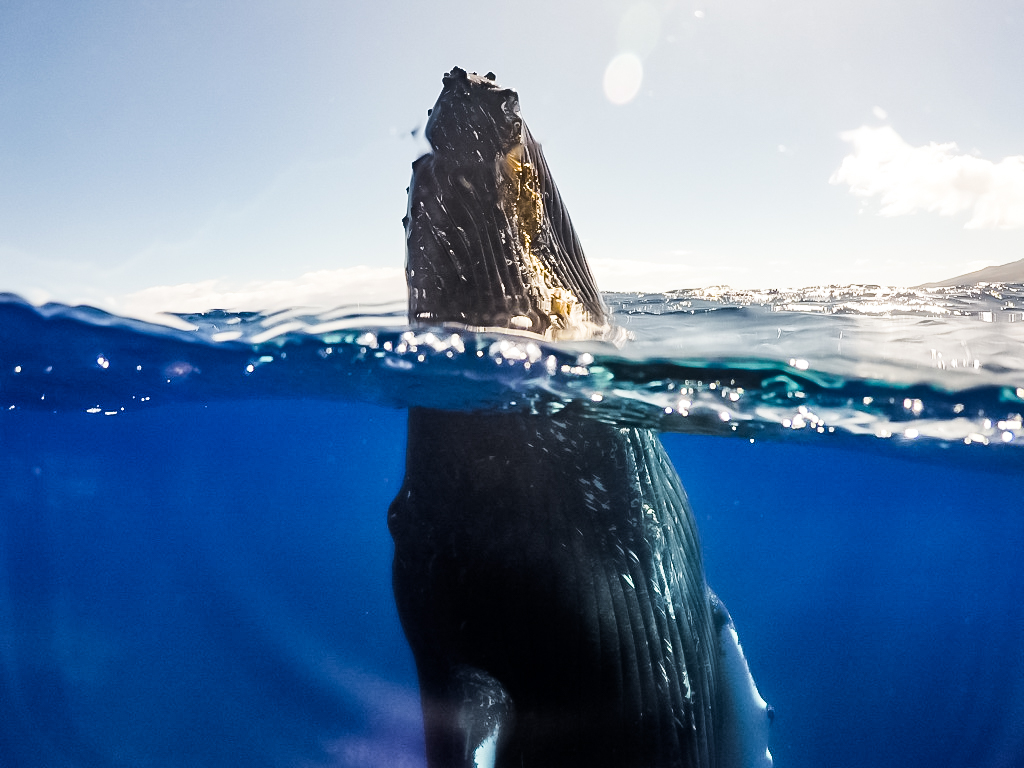
Whale watching tours in Maui are highly regulated by federal law to ensure the safety of the whales and their natural habitat. In addition, whales do not eat while they are in Maui, their behaviors here are focused on mating and giving birth. The whale food question, however, brings up a very important issue: it is illegal to feed whales in the wild. While it may seem like a good idea to share food with these creatures, feeding them disrupts their natural behavior and can have harmful effects on their health.
Whales are wild animals and are perfectly capable of finding their own food in the ocean. They primarily feed on krill, small fish, and other marine creatures that are found in the ocean.
Feeding them human food or even trying to feed them anything at all can confuse them and potentially interfere with their feeding habits. This can lead to nutritional imbalances and, in the worst cases, cause the whales to become dependent on human-provided food.
The Impact of Feeding Whales on Their Health
Feeding whales or any marine wildlife can lead to long-term health problems. The whale food that humans offer may not be suitable for their digestive systems. Some human foods can cause diseases or conditions that make whales sick or prevent them from digesting food properly.
In the wild, whales have developed complex feeding behaviors that help them find the nutrients they need to survive, and disrupting this process can affect their overall well-being.
Respecting Whale Watching Guidelines
When you choose to participate in whale watching in Maui, it is essential to follow the guidelines set by the National Oceanic and Atmospheric Administration (NOAA) and other governing bodies. These guidelines help protect the whales and their habitat, ensuring that we can continue to enjoy watching them from a respectful distance.
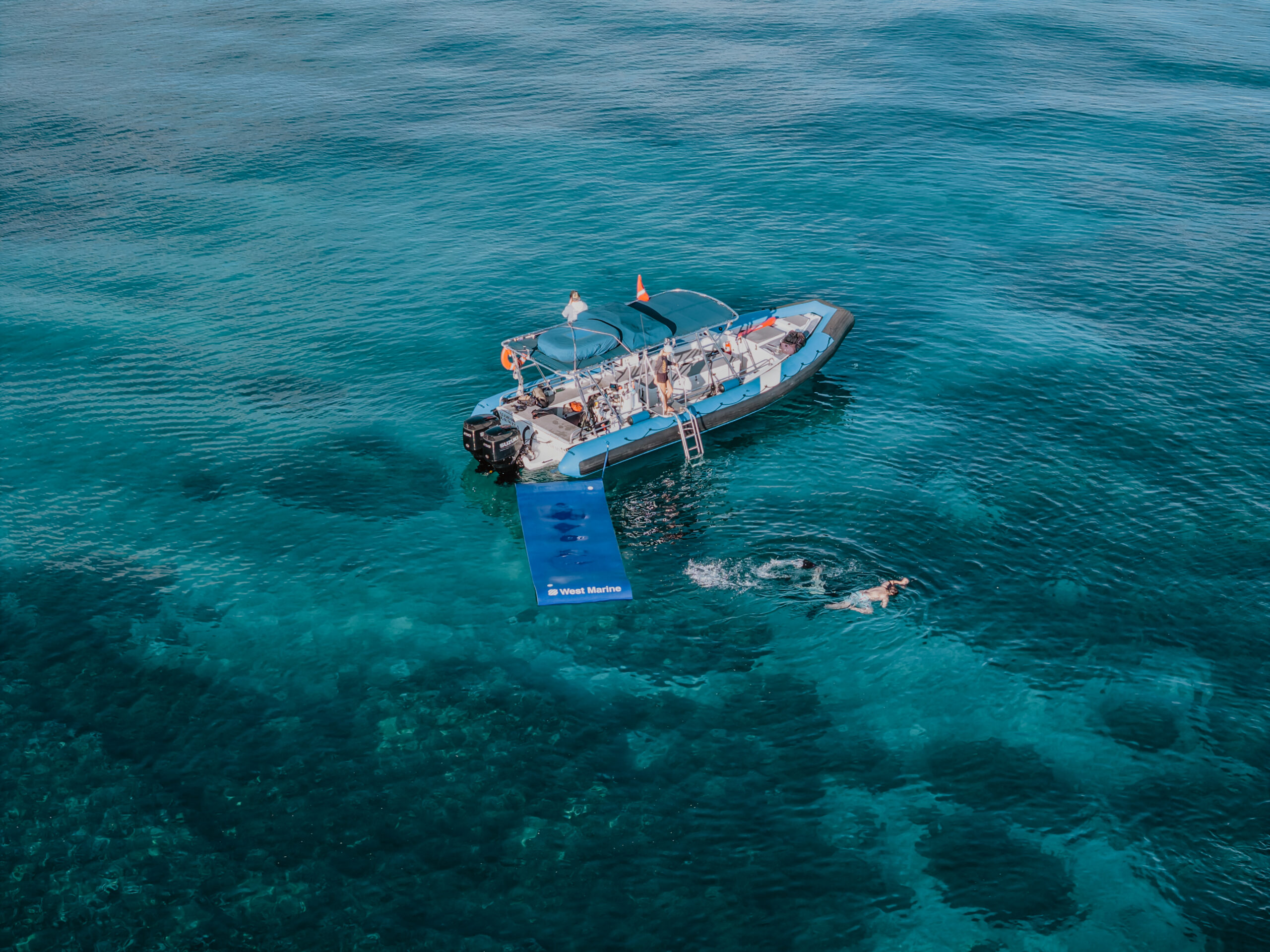
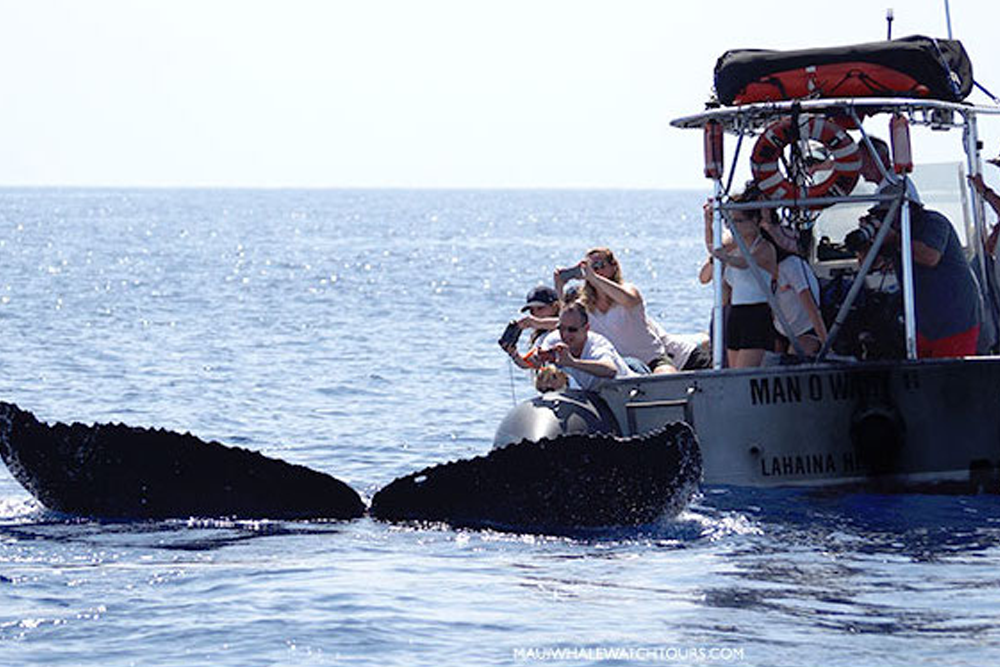
For example, all boats must not approach closer than 100 yards to the whales at all times, but sometimes the whales choose to come closer to the boats of their own free-will. Our eco-rafts are small, low-to-the-water vessels designed for up-close, respectful encounters, offering guests an incredible, eye-level view of the whales.
However, even in small, intimate tours like ours, it’s vital to maintain a safe and respectful distance to avoid disturbing the whales or any other marine life.
We take pride in offering a responsible and educational experience, where our guests not only witness the awe-inspiring beauty of humpback whales but also learn about their behaviors and migratory patterns. Our team of marine naturalists educates our guests about whale conservation and the importance of protecting these majestic animals.
These efforts help raise awareness about the role each of us plays in safeguarding the environment and preserving it for future generations.
Join Us for a Memorable Whale Watching Experience in Maui
If you’re ready to experience the thrill of whale watching in Maui, we invite you to book a tour with us today. Our small group eco-raft tours guarantee a close, yet respectful, encounter with humpback whales during the peak season from December to April.
Our dedicated team of marine naturalists will guide you through the experience, sharing valuable insights and helping you appreciate the natural wonders of the ocean.