

Every winter, the waters off Maui come alive with some of the most extraordinary sights in the Pacific. Thousands of humpback whales migrate from Alaska to breed, calve, and play in the warm Hawaiian waters.
During peak season, you don’t always need a boat to witness the action. Knowing how to spot whales from shore can give you a front row seat to one of nature’s most breathtaking experiences.
How To Spot Whales From Shore During The Season
Timing is key when trying to see whales from land. Humpback whales are most active in Maui waters between December and April. The height of activity occurs in January, February and March, when you can often observe surface movements throughout the day. During these months, coastal viewpoints provide prime opportunities to watch the whales without ever leaving solid ground.
Positioning makes a significant difference when scanning for activity. A higher vantage point allows a wider view across the horizon. Well-known lookouts in Lahaina, Kaanapali, and Maalaea provide a clear sweep of the channels where humpbacks frequently travel.
Move your gaze slowly from left to right, then back again. Concentrate on any sections of water that appear disturbed or where boats seem to have paused. Tour boats often stop near active whales, and their location can point you in the right direction.
Reading The Water And Recognizing Behavior
Spotting a whale from the shoreline starts with identifying distinct signals on the water’s surface. The most obvious sign is the blow, a plume of mist that shoots upward when a whale exhales. In the right light, it looks like a puff of smoke against the horizon. When you see this, keep your eyes locked on that area since whales usually surface again after a dive.
A raised tail is another strong indicator. When a humpback prepares for a dive, it lifts its tail fluke high before disappearing below. This often means the whale will be under longer, but it usually resurfaces nearby within a few minutes. You might also catch sight of dorsal fins slicing through the waves or dramatic splashes caused by a breach. These actions are noticeably different from the consistent motion of the sea.
It’s easy to get fooled by driftwood or floating debris, but whales rarely stay in the same spot for long. They surface, dive, and then rise again in a slightly different location. Watch for this pattern. If what you’re seeing sits still on the surface, it likely isn’t a whale.
Peak Behavior To Watch For In Maui
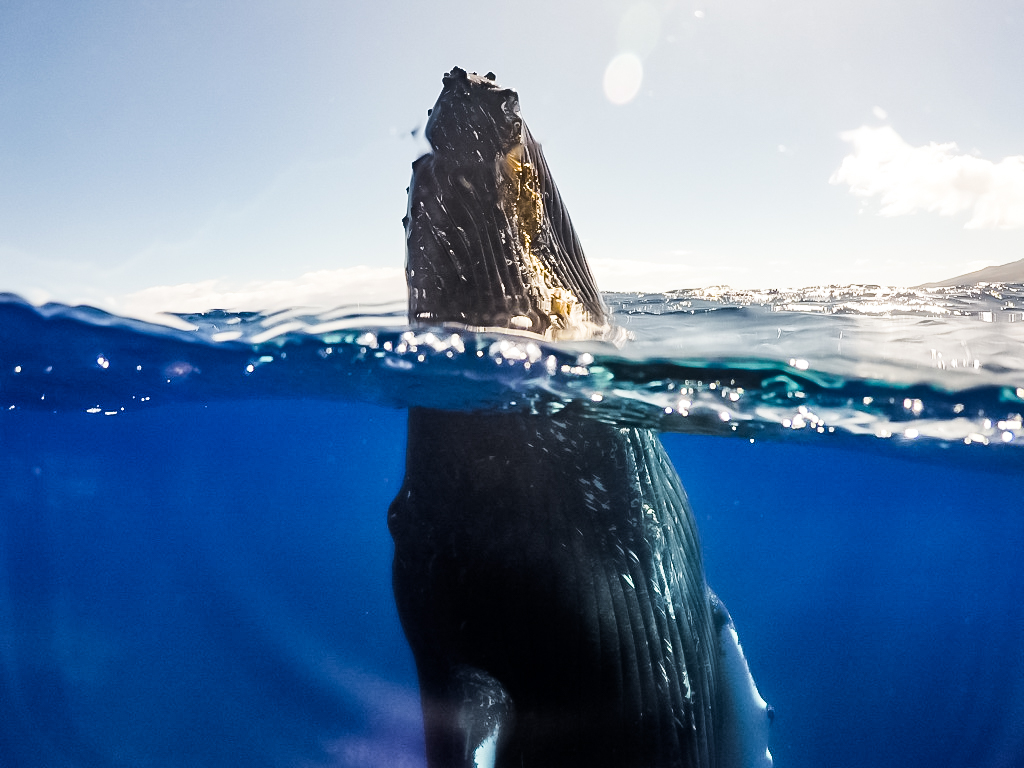
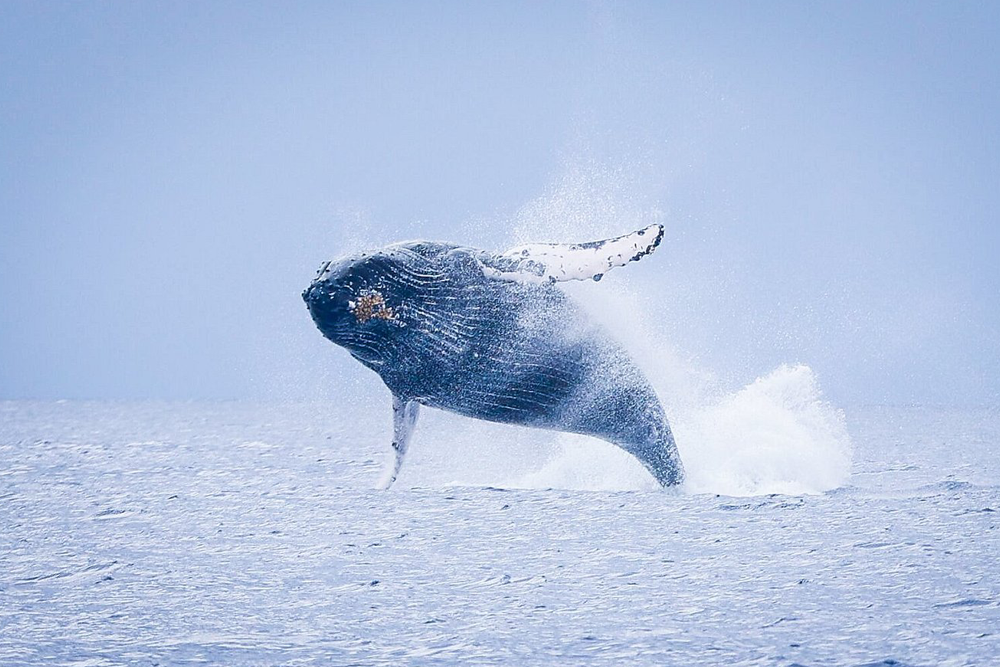
During their stay in Maui, humpback whales display an impressive variety of surface behaviors. Breaching is among the most exciting, with the whale leaping fully out of the water and landing with a thunderous splash. Tail slaps and pectoral slaps send water flying and can be heard across great distances. Spyhopping, when a whale lifts its head vertically above the surface, is another fascinating behavior often visible from the coastline.
Dolphins and other marine mammals also travel through the channels, and their presence can sometimes signal nearby whale activity. While dolphins tend to move quickly in groups, whales surface in slower, more deliberate motions. Learning these distinctions makes spotting whales from land easier and more rewarding.
Extend The Experience Beyond The Shore
Watching whales from the shoreline offers a different perspective. Yet, nothing compares to being on the water alongside them.
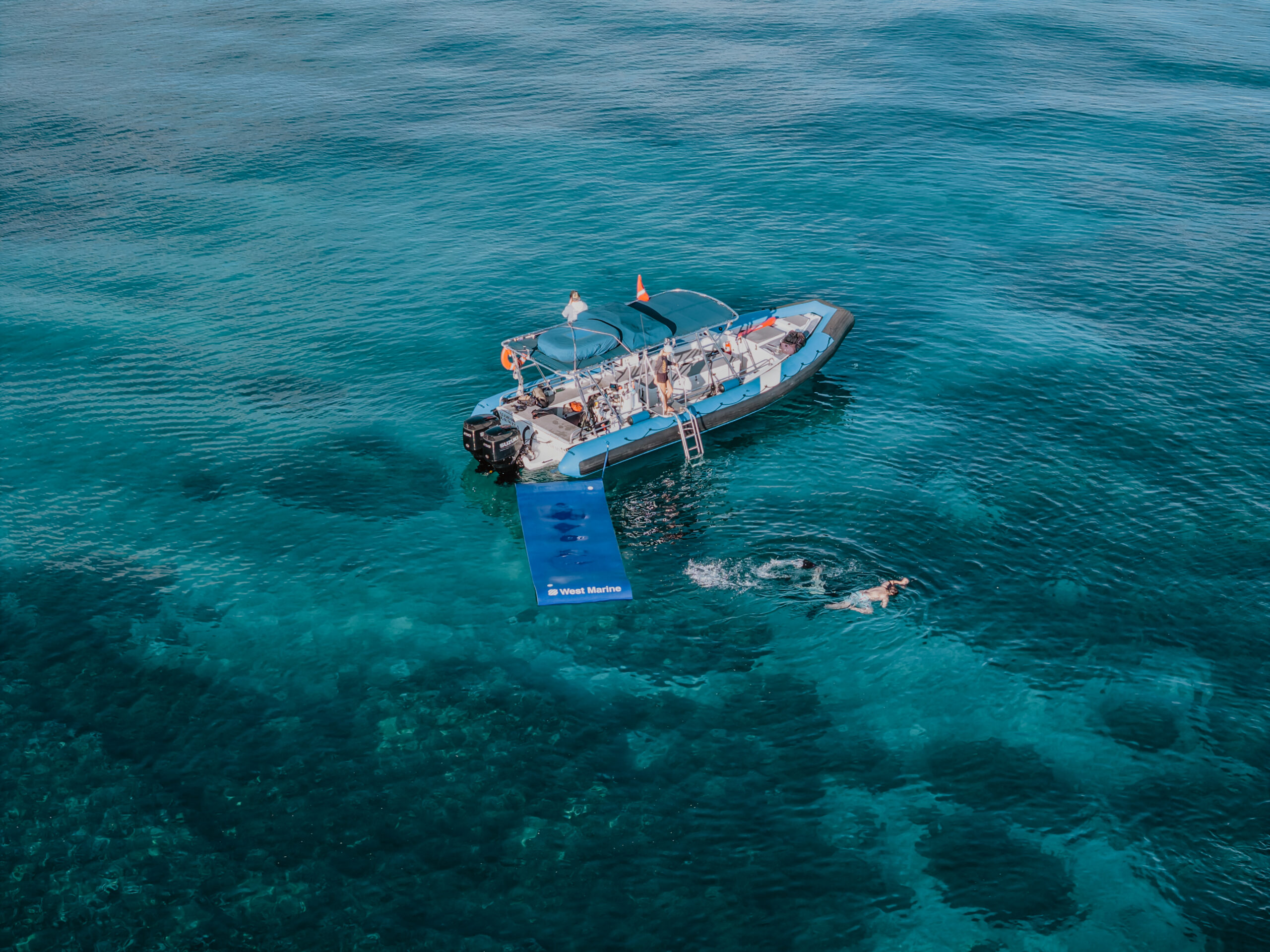
At Hawaii Ocean Rafting, our Maui whale watching tours bring you closer to the action, where you can see and hear the whales in a way the shoreline cannot match. We also have private charters that give you a front-row encounter with these incredible animals in a small group setting.
We love helping guests experience the excitement of whale season in Maui. From spotting them along the shore to seeing them up close on the water, the memories stay with you long after the season ends.