
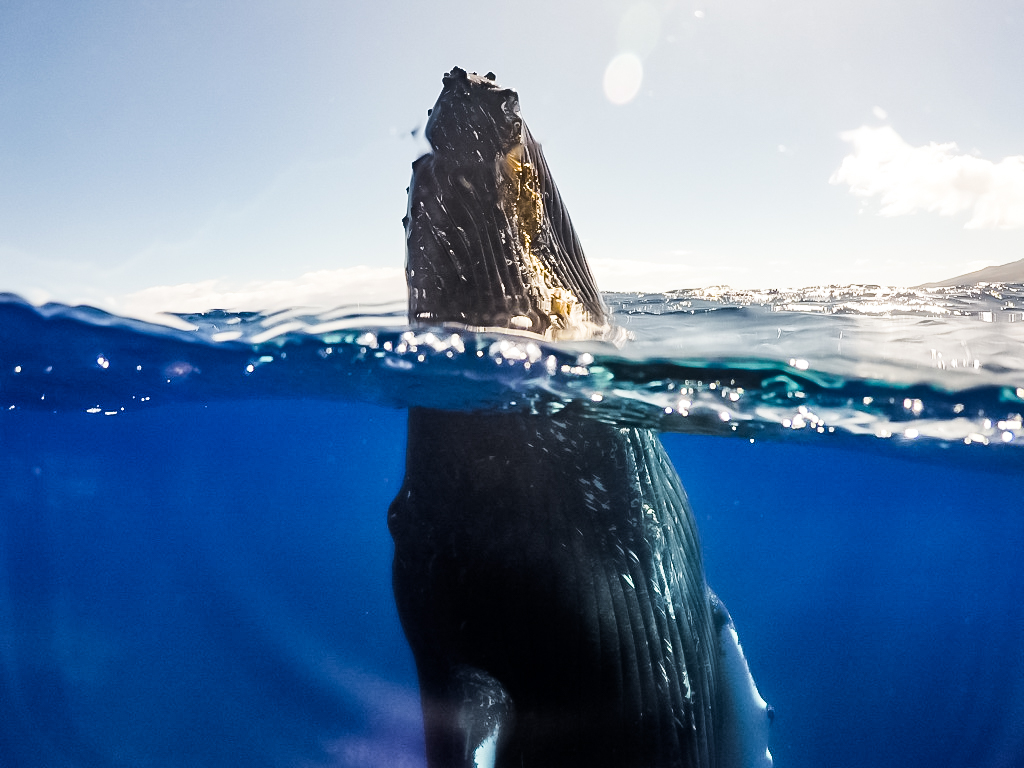

Winter in Maui brings one of the most meaningful ocean experiences in Hawaiʻi. Maui whale watching draws visitors from around the world as humpback whales return to our local waters each year.
These whales travel thousands of miles to rest, give birth, and care for their calves near Lahaina and Kaanapali. Watching them from the ocean creates a lasting memory that feels both exciting and grounding.
When Whale Watching Season Happens in Maui
Whale season in Maui runs from December through April. Activity starts to build in October, with the highest number of sightings during the months ofJanuary, February and March. During this time, whales often remain close to shore, especially off West Maui.
Lahaina and Kaanapali sit beside the Maui Nui Basin, one of the most active whale habitats in the Hawaiian Islands. This location gives our tours direct access to areas where whales rest, mate, birth and socialize, without long travel times offshore. That proximity allows guests more time observing whales and less time riding across open water.
Why Lahaina and Kaanapali Are Ideal Locations
West Maui features calm channels and steady whale movement throughout the winter months. Guests staying in Lahaina or Kaanapali often appreciate how easily a whale watch fits into their schedule. Short travel distances and consistent sightings make these areas dependable choices for visitors seeking meaningful wildlife encounters.
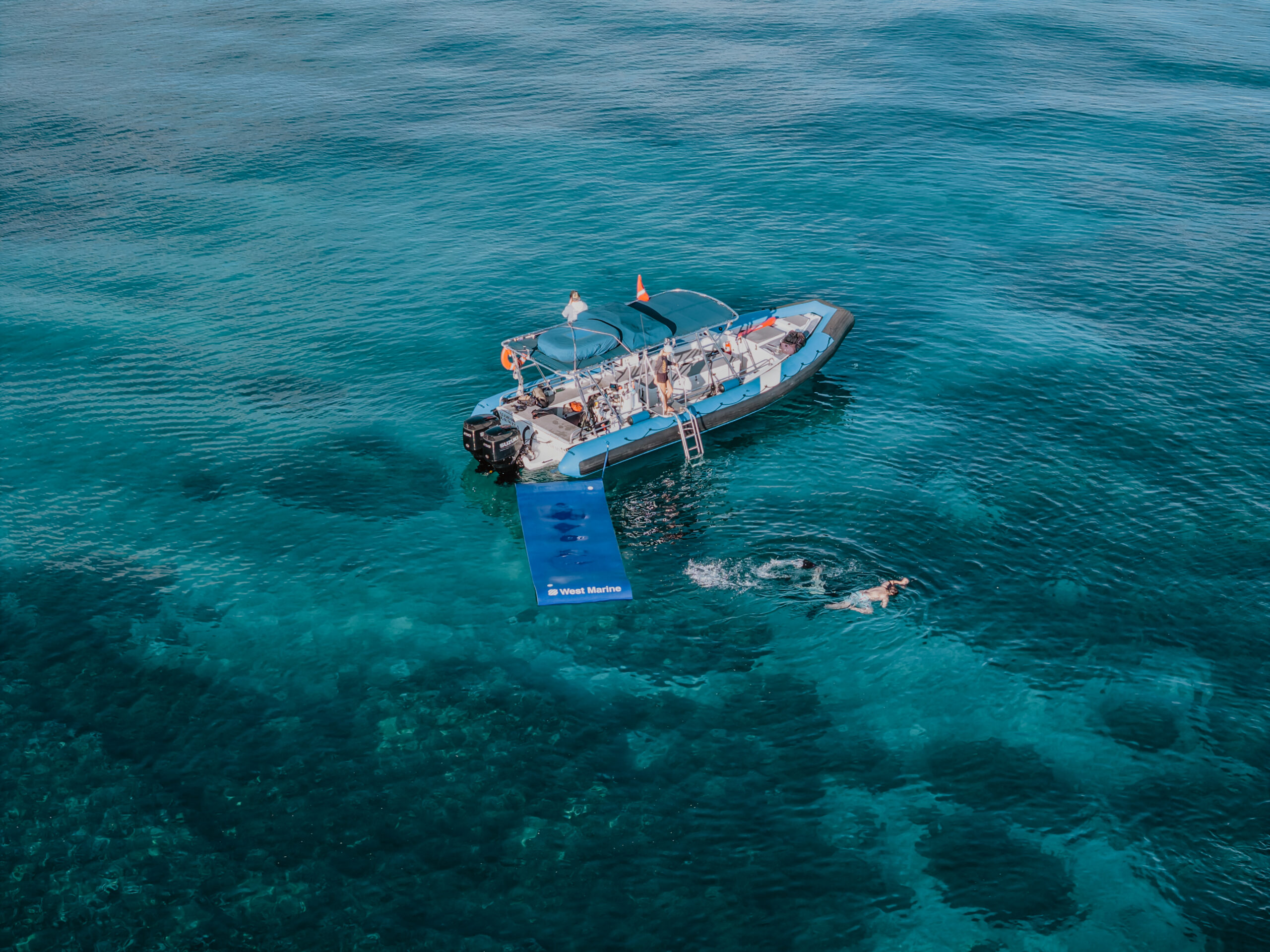
Our eco-rafts launch from Lahaina, placing us right in the center of prime whale territory. The low-to-water design creates eye-level viewing, which helps guests feel connected to the experience instead of distant from it.
What Makes Eco-Raft Whale Watching Different
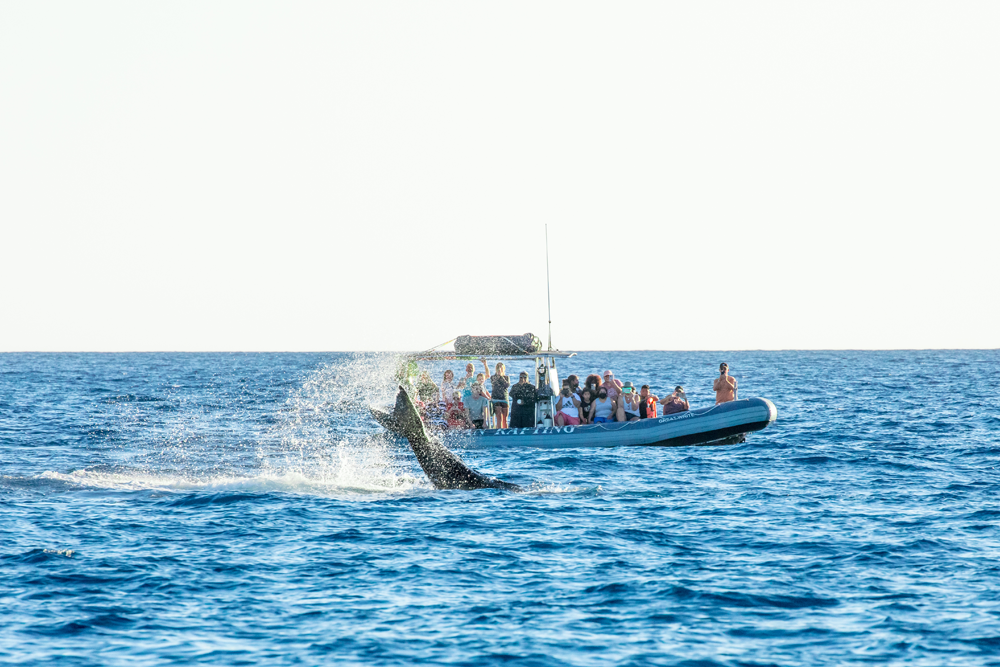
Eco-rafting offers a more adventurous option compared to large tour boats. Our vessels ride close to the water and keep groups small. We only carry 20 guests or fewer on our zodiac boats, while maintaining the same personal feel our guests expect.
Smaller groups create open views, easier movement, and space for conversation. Our marine naturalist crew shares insight into whale behavior, migration patterns, and calf development throughout the tour. Education blends naturally into the experience and never feels scripted or rushed.
We do not allow pregnant guests on our rafts, as safety always comes first with this style of vessel.
Who Whale Watching Appeals To Most
During winter, many of our guests are men and women between 35 and 70 who enjoy active experiences and want something beyond crowded attractions. Our guests often bring family and friends or travel solo. Eco-rafting tours suit travelers who feel comfortable on the ocean and enjoy being part of a smaller group.
Our whale watch tours include a whale sighting guarantee. If whales do not appear, guests can return again at no cost. This promise reflects our confidence in the season and our commitment to guest care.
What Happens After Whale Season Ends
As whale season winds down in late March, our focus begins to shift. From mid-April through November, snorkeling becomes the main activity, along with dolphin watching during the summer months.
Snorkeling in Lahaina offers clear water, coral reefs, and frequent turtle sightings. Snorkel instruction is included on all snorkel tours, making the experience approachable for guests with varying comfort levels. During summer, we welcome more millennials and couples seeking relaxed, less commercial ocean outings.
What Guests Often Appreciate Most
While many tours on Maui visit similar ocean areas, our consistency sets us apart. Our crew works closely together every day and builds real relationships with guests. That steady attention helps trips feel calm, welcoming, and well-paced.
Being Hawaiian-owned shapes how the ocean is shared with respect and care rooted in local values. Guests often notice this through our storytelling, our approach, and the way interactions unfold on the water.
Planning Your Time on the Water
Booking earlier in the season helps secure preferred dates, especially from January through March. Morning tours often enjoy smoother conditions for locations like Kihei and Kaanapali, but in Lahaina, weather is typically consistent and whales appear throughout the day. Guests staying in Lahaina or Kaanapali often find our departure location convenient and easy to reach. That simplicity allows more energy to go toward enjoying the experience itself.
An Invitation to Join Us on the Ocean
Whale watching in Maui offers something rare. It brings people closer to nature in a way that feels genuine and shared. Our team welcomes guests who value small groups, thoughtful guiding, and time spent on the water with purpose.
When winter arrives, and the whales return, we look forward to sharing those moments together in the waters we call home.