
A whale watching field trip in Maui creates an educational experience that students remember for a lifetime. Seeing humpback whales up close brings classroom lessons about marine life, ecosystems, and conservation to life. The calm winter waters around Maui become an open-air classroom filled with movement, sound, and discovery.
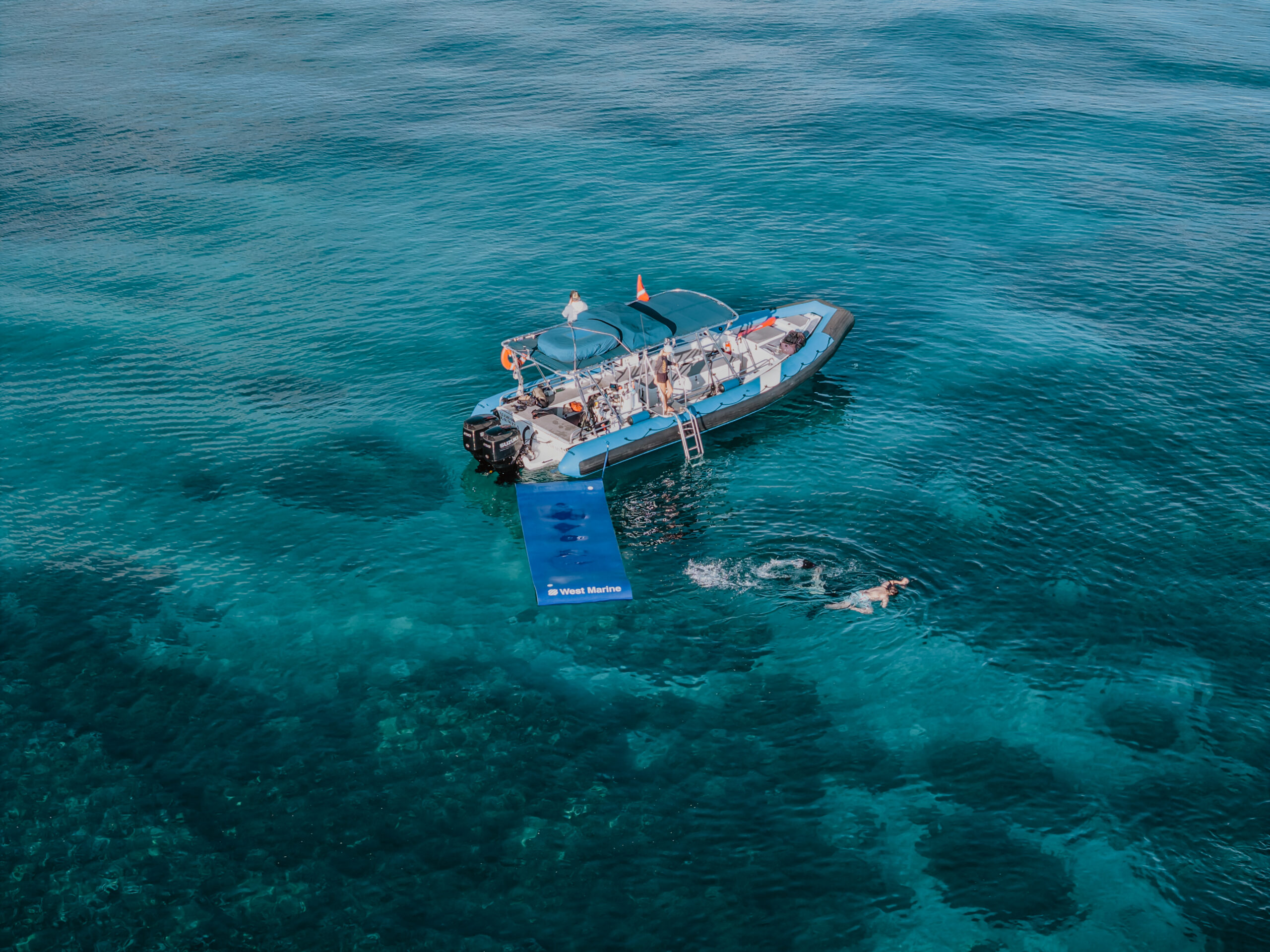
At Hawaii Ocean Rafting, we specialize in small-group tours that make every outing feel personal and educational. Our eco-rafts allow guests to sit eye level with the water. This will give students a clear view of whales in their natural environment while learning about the importance of protecting Hawaii’s marine life.
Learning Beyond the Classroom Walls
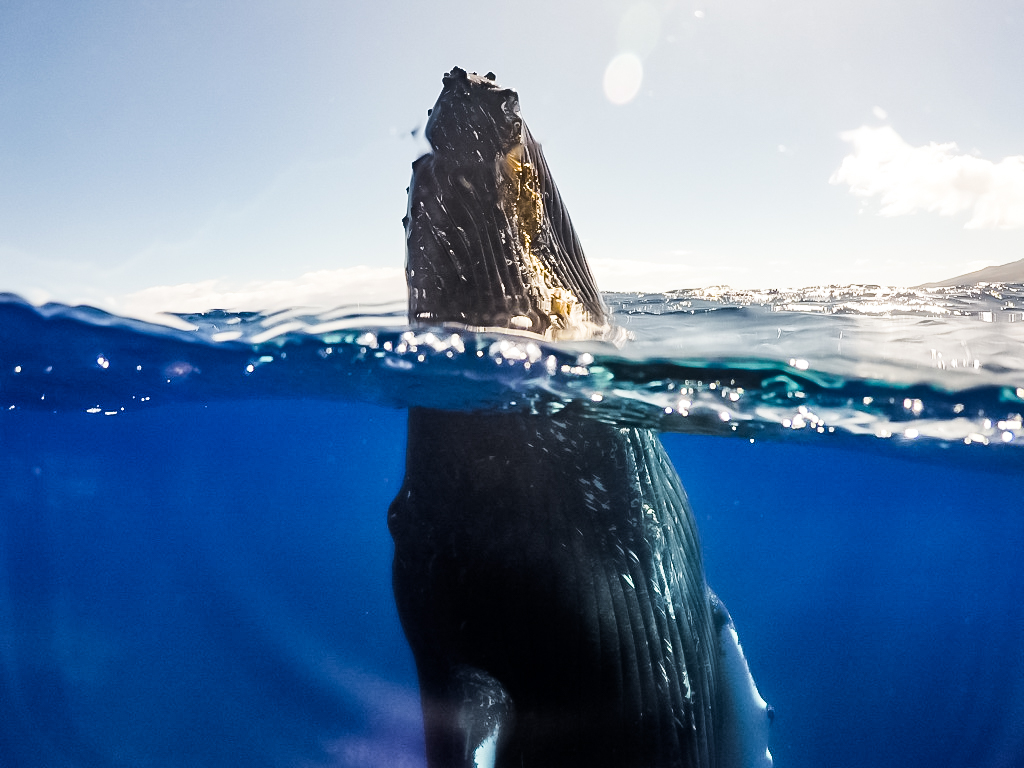
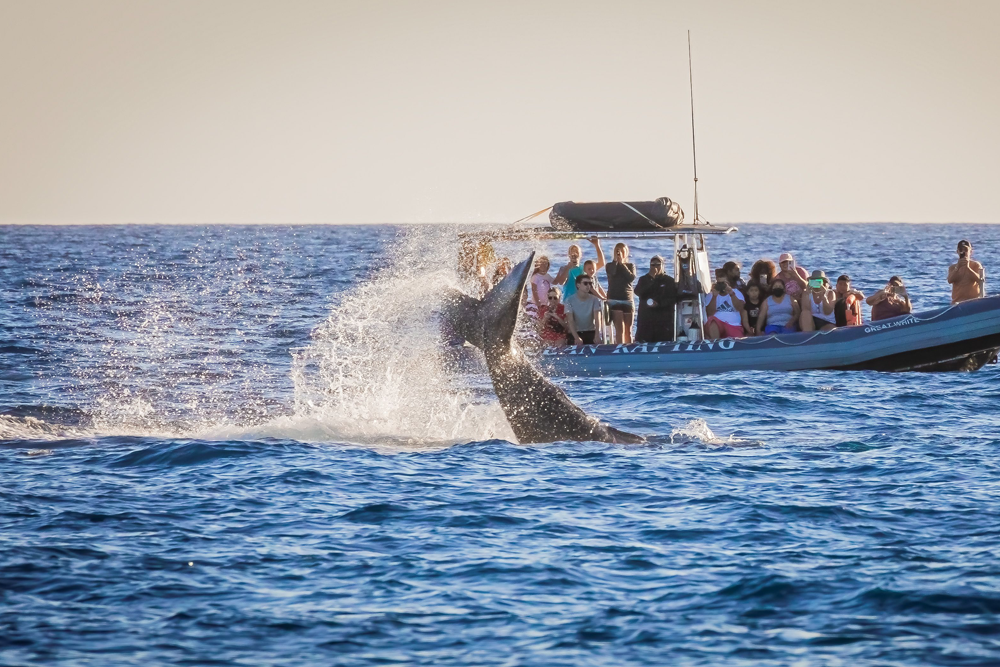
Textbooks can explain migration and communication. However, seeing a whale surface just a few yards away gives those lessons real meaning. Students witness behaviors like tail slapping, breaching, and fin waving while learning why whales use these movements to communicate. These experiences foster curiosity and empathy toward ocean conservation.
Our crew members are trained marine naturalists who share fascinating facts about humpback whales and their journey from Alaska to Maui. They explain how the calm channels around Lahaina and Kaanapali create the perfect nursery for mother whales and calves. Every trip connects students to the science of marine biology through direct observation and conversation.
Safe and Educational for All Ages
Safety and comfort come first on every trip. Our small-group eco-rafts carry no more than 20 passengers, allowing teachers and chaperones to keep a close eye on students. The smaller group size also means everyone can see and hear clearly, without distractions or crowds.
We focus on creating a relaxed, welcoming atmosphere for all ages. Younger children enjoy spotting spouts and tails, while older students engage with deeper topics like whale conservation and ocean ecology. Every field trip is tailored to match the age and learning level of the group.
A Hands-On Lesson in Conservation
Whale watching introduces students to the importance of protecting marine habitats. Seeing whales up close encourages respect for nature and a better understanding of how human actions impact the ocean. Students learn about threats like pollution, entanglement, and ship noise, along with the conservation efforts that keep whale populations thriving.
Our guides share stories about Hawaii’s dedication to protecting humpback whales, including how local laws require boats not approach closer than 100 yards. These discussions make abstract conservation concepts real and relatable. Students leave the trip with a stronger sense of environmental responsibility and pride in Hawaii’s role as a protector of marine life.
Why Maui Is the Perfect Setting
Maui’s waters are among the best in the world for whale watching. Each winter, thousands of humpback whales migrate from the cold feeding grounds of Alaska to the warm, calm waters between Maui, Lanai, and Molokai. The predictable season from December through April makes it easy to plan school trips that align with this natural event.
Lahaina and Kaanapali serve as perfect departure points. The ocean here stays calm, and visibility remains excellent during morning hours.
Students can watch as whales breach in the sunlight or listen to their deep, rhythmic breaths through the open air. The island’s setting adds a sense of wonder that no classroom can match.
Why Eco-Rafting Makes the Experience Unique
Our eco-rafts sit low to the water, creating a clear and stable platform for whale viewing. Students can see fine details such as the shape of a whale’s fluke or the smooth rise of its back as it surfaces. The small raft size allows for quiet, respectful encounters that leave whales undisturbed.
Unlike large commercial tours, our small-group approach turns each trip into a family-style learning adventure. Students and teachers can ask questions directly, hear stories from the crew, and experience the ocean without distractions. Every tour reflects our values of education, respect, and connection.
Seasonal Learning Opportunities
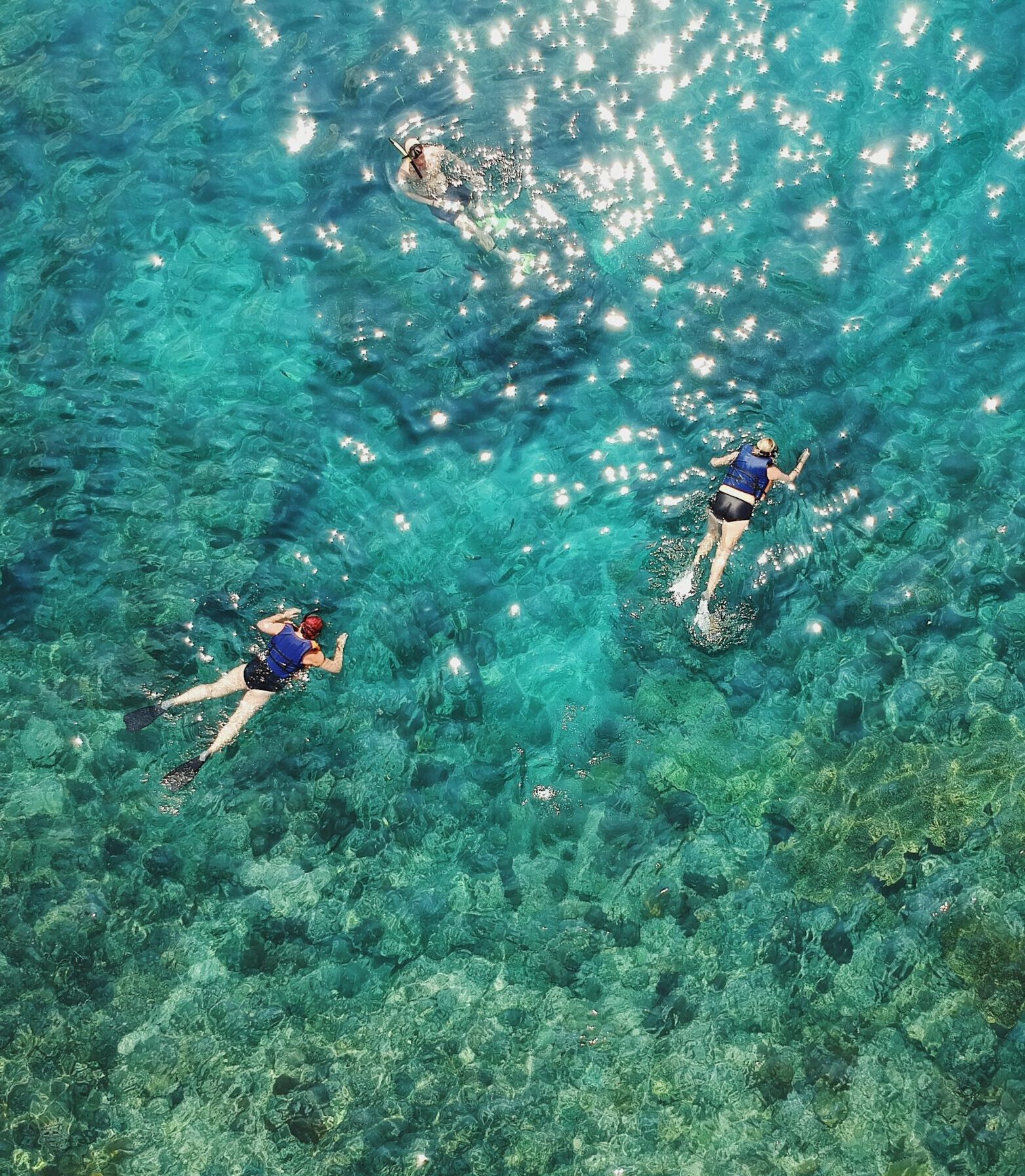
Whale season runs through March, making winter and early spring the best times for educational trips. After March, we transition into dolphin sightseeing and snorkeling tours from mid-April through November. These summer tours also serve as learning experiences, introducing students to coral reefs, tropical fish, and sea turtles in Lahaina’s clear waters.
This seasonal rhythm keeps our programs aligned with the ocean’s cycle. During winter, students witness one of nature’s most impressive migrations. In summer, they explore the delicate ecosystems that whales help sustain. Both experiences nurture appreciation for Maui’s natural balance and environmental care.
Building Teamwork and Curiosity
A whale watching field trip encourages teamwork and curiosity. Students share excitement as they spot their first breach or listen to the crew explain whale songs. The shared experience builds connection among classmates and strengthens interest in science and environmental studies.
Teachers often use these trips to spark projects, art, or research inspired by the day’s events. Many students find new motivation to learn when they see how the ocean’s lessons connect to their own lives and choices. It becomes more than a day on the water; it becomes a spark for lifelong curiosity.
Your Ticket Supports Local Youth Programs
Your ticket makes our education programs possible and gives back to the Maui community. We host Maui Hero project field trips for kids affected by the Lahaina wildfires and have a class and onboard curriculum with Lahaina Intermediate School, teaching 8th graders about marine related career fields of study. We are able to offer these educational programs to the Lahaina community because of your support.
Plan a Whale Watching Adventure with Us
At Hawaii Ocean Rafting, we believe learning should be exciting and hands-on. Our whale watching field trips combine education with adventure to bring students an authentic look at Maui’s marine life. With small groups, knowledgeable guides, and guaranteed sightings, every outing becomes a meaningful experience for teachers and students alike.
Book your tour today or contact us to plan a visit to Lahaina or Kaanapali before the season ends in April.